Confirming earlier reports, Meta announced its first pair of camera-free AI glasses, the clunkily named Ray-Ban Meta Audio, at its Connect 2026 conference on Wednesday. Designed to combat criticism around the more malicious use cases for AI glasses, which saw them nicknamed “pervert glasses” by some, the new devices will be audio-only, offering the ability
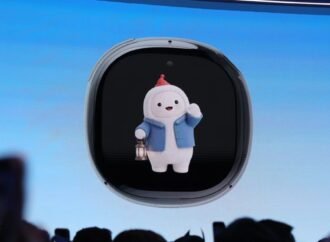
The AI amulet has become a bit of a cliché in the tech industry — devices like Friend have turned the idea of physical AI into little more than an exercise in eye-rolling for many consumers. But that hasn’t stopped Meta from jumping into the arena with its own AI wearable, called Muse Charm, which
Meta announced a slate of new wearables during its annual Meta Connect showcase on Wednesday. The star of the event was the new Meta VR Glasses, which pack virtual reality tech into a lightweight smart glasses-style frame with a tethered puck. Meta also announced new pairs of screen-free smart glasses, along with some new AI
Meta’s personal AI agent Muse is only a few weeks old, and the social networking giant isn’t wasting any time building out what may be its biggest bet on consumer AI to date. CEO Mark Zuckerberg kicked off the company’s annual Connect event in Menlo Park on Wednesday with a keynote that made one thing
Meta is building a dedicated hardware device for its new Muse AI agent. The product, called Muse Charm, was briefly shown off by Meta CEO Mark Zuckerberg at the end of tonight’s Meta Connect presentation. It looks almost like a chunky smartwatch without the strap — just a big screen, plus a little lanyard for
Gone are the heavy headsets. In Meta’s vision for its new VR era is all about glasses. Meta VR Glasses weigh just 100 grams, the company said. While the bulk is gone, Meta says the glasses are still its “most advanced device yet.” “You can wear Meta VR Glasses to comfortably watch a full movie,