As policymakers debate how to govern increasingly powerful AI systems like OpenAI’s GPT-5.6 Sol and Anthropic’s Mythos, a Chinese open-weight model has narrowed the gap with the industry’s leaders. GLM-5.2, the open-weight AI model from China’s Z.ai, is only a few months behind OpenAI’s GPT-5.5 and Anthropic’s Claude Opus 4.7 on cyber and bio capabilities,
US Treasury Secretary Scott Bessent doubled down on his warnings to Chinese AI companies on Wednesday, saying sanctions remain on the table after a White House official accused Moonshot of improperly distilling Anthropic’s Fable model. Model distillation is a common AI training technique in which a smaller model learns from the results of a larger
For several weeks this summer, the AI industry was obsessed with Anthropic’s latest frontier models and Washington’s fight to control who was granted access to them. But while everyone was watching the frontier, developers kept building, and they weren’t waiting for permission from the Anthropics and OpenAIs of the world. Chinese open-weight models accounted for
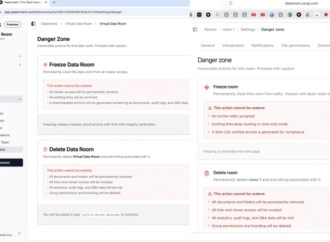
Y Combinator-backed insurance tech startup Corgi became embroiled in yet another controversy earlier this week when Papermark, maker of open source data room software, accused Corgi of stealing its software and passing it off as its own. Corgi denies this, telling TechCrunch, “No code was used from Papermark.” But there were reasons why people believed