
Pakistan’s Gateway to Global News, Tech Updates, and Emerging AI Trends.
Solar Eclipses
- Home
- Solar Eclipses

NASA Johnson Pilots Chase Moon’s Shadow for Eclipse Science – NASA0
- Ellington Field, Johnson Space Center, SCIENCE, Science / Health, Science Mission Directorate, scientists, Solar Eclipses, Space, Space Communications & Navigation Program, Space Launch System (SLS), Space Telescope, space-x-ipo, SpaceX, WB-57
- August 26, 2026
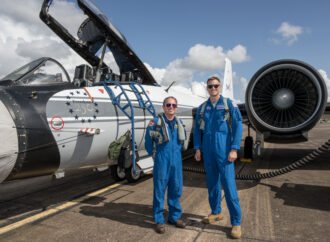
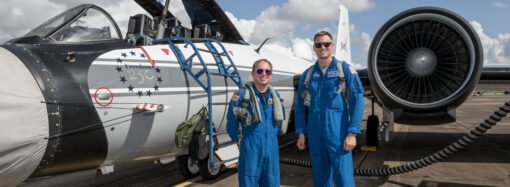
During the Aug. 12 total solar eclipse over Europe, scientists aimed to study a long-standing mystery: why the Sun’s outer atmosphere, the corona, is far hotter than its visible surface. Capturing the data they needed meant being in exactly the right place at exactly the right time. Pilots from NASA’s Johnson Space Center flew the WB-57F high altitude research aircraft from Ellington Field in Houston to Iceland,
READ MORE
Latest Posts
Top Authors
-
matechpros@gmail.com
ADMINISTRATOR
-
OWS
ADMINISTRATOR

