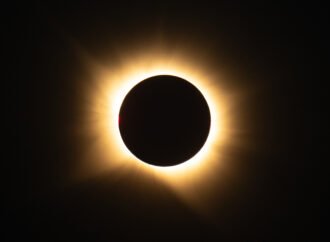
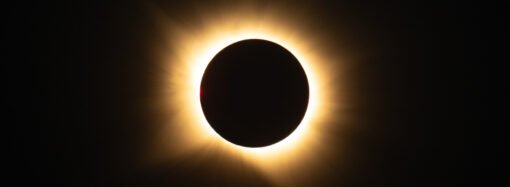
On Aug. 12, a total solar eclipse darkened skies over Greenland, Iceland, and Spain. As the Moon covered the Sun, it briefly revealed the Sun’s wispy outer atmosphere — the corona — to those in the path of totality who were lucky enough to have clear skies. NASA researchers and photographers were along the eclipse
A total solar eclipse is seen from San Millán de los Caballeros, Spain, Wednesday, Aug. 12, 2026. A total solar eclipse – the Moon passing between the Sun and Earth, completely blocking the face of the Sun – swept across parts of Greenland, Iceland, northern Russia, the Atlantic Ocean, Spain, and a small corner of
A solar eclipse, the Perseids, bright Venus after sunset, and a deep partial lunar eclipse highlight August’s skywatching. Aug. 5: Last Quarter Moon Aug. 12: Total solar eclipse across northern Russia, Greenland, Iceland, northern Spain, and part of Portugal; partial eclipse in parts of the U.S.; New Moon Aug. 12-13: Perseid meteor shower peak under
On Wednesday, August 12, a total solar eclipse will be visible in parts of Greenland, Iceland, northern Russia, the Atlantic Ocean, Spain and a small corner of Portugal. NASA will broadcast the eclipse live with views from the path and interviews with experts in the field through a variety of platforms. Learn where to watch
Each time the Moon covers the Sun during a total solar eclipse (darkening the daytime skies and briefly revealing the Sun’s ethereal outer atmosphere, the corona), new opportunities present themselves to better understand our star and its influence on Earth. On Wednesday, August 12, when the next total solar eclipse passes over Greenland, Iceland and