A 'forbidden planet' the size of Jupiter has astronomers stumped
- Deep Space, Exoplanets, NASA, SCIENCE, Solar System, Space, Space Telescope
- April 3, 2026

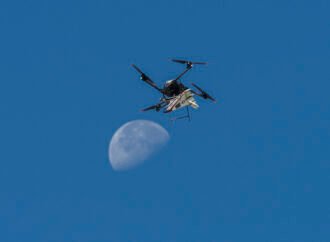
Testing new aerospace concepts in flight remains one of NASA’s most effective ways to advance knowledge and reduce risk. The Dale Reed Subscale Flight Research Laboratory at NASA’s Armstrong Flight Research Center in Edwards, California, supports this mission by using small, autonomous, remotely piloted aircraft as cost-effective platforms to mature innovative ideas, accelerate learning, and
READ MORE
NASA astronaut candidate Anna Menon and her children watch the launch of a Soyuz rocket to the International Space Station with NASA astronaut Anil Menon and Roscosmos cosmonauts Pyotr Dubrov and Anna Kikina, Tuesday, July 14, 2026, at the Baikonur Cosmodrome in Kazakhstan. The trio lifted off toward the Soyuz MS-29 mission at 7:47 p.m.
READ MORE
A meteorite recovered immediately after its fall to Earth on July 16, 2024 is helping NASA scientists uncover new clues about ancient water, the chemical evolution of early asteroids, and ingredients that may have helped make life possible throughout the early solar system. This rapid recovery began when an amateur astronomer from New Jersey quickly
READ MORE
Before Artemis astronauts land on the surface of the Moon in 2028, NASA will conduct the Artemis III demonstration mission in 2027, allowing teams on Earth and in orbit to practice rendezvous and docking operations between commercial human landing systems and the Orion spacecraft. Data from that mission, along with future uncrewed demonstration missions to
READ MORE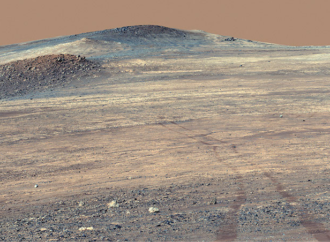
This view of the outer rim of Jezero Crater’s 150-meter-high rim was taken by the Mastcam-Z instrument aboard NASA’s Perseverance on May 15, 2025, day 1,505, or sol, of the rover’s mission to Mars. The brightly colored rocks exposed along the slope, running from the left center to the right center of the image, belong
READ MORE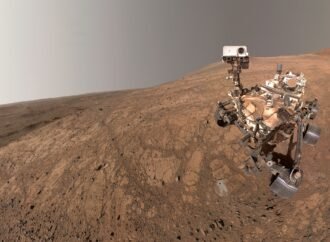
NASA’s Perseverance Mars rover has discovered evidence that a 245-foot (75-meter-thick) pile of ancient rock on the rim of Jezero Crater was built by repeated asteroid impacts. This sequence of layered bedrock, dubbed the “Broom Point Member” by the rover’s science team, is likely more than 3.9 billion years old, making it some of the
READ MORE