Peloton is making a serious play for Australian living rooms and home gyms. The fitness brand has taken the wraps off an expanded treadmill portfolio, led by the space-conscious Peloton Tread Flex and the camera-assisted Peloton Tread Vision. Treadmills are traditionally massive, heavy steel frames that dominate spare bedrooms or garages. With this updated lineup,
Peloton is making a serious play for Australian living rooms and home gyms. The fitness brand has taken the wraps off an expanded treadmill portfolio, led by the space-conscious Peloton Tread Flex and the camera-assisted Peloton Tread Vision.
Treadmills are traditionally massive, heavy steel frames that dominate spare bedrooms or garages. With this updated lineup, Peloton aims to address limitations by pairing new hardware designs with expanded AI coaching tools through its Peloton IQ platform.
Tread Flex tackles the spatial footprint problem
The standout addition for suburban homes and apartment dwellers is the Tread Flex. Rather than demanding a permanent footprint, the unit compacts down by nearly 50% when folded up after a session.
To keep early morning or late-night workouts from disturbing the entire household, the Tread Flex runs an ultra-quiet brushless motor rated at 70 dB, even when wound out to its maximum running speed of roughly 20 km/h (12.5 mph).
Like the rest of the new fleet, the hardware retains Peloton’s familiar rolling control knobs on the handrails, enabling smooth, tactile adjustments to speed and incline without having to jab repeatedly at a touchscreen while running flat-out.
The integrated display also swivels, allowing you to transition straight off the deck into off-machine floor sessions.
Tread Vision integrates real-time camera tracking
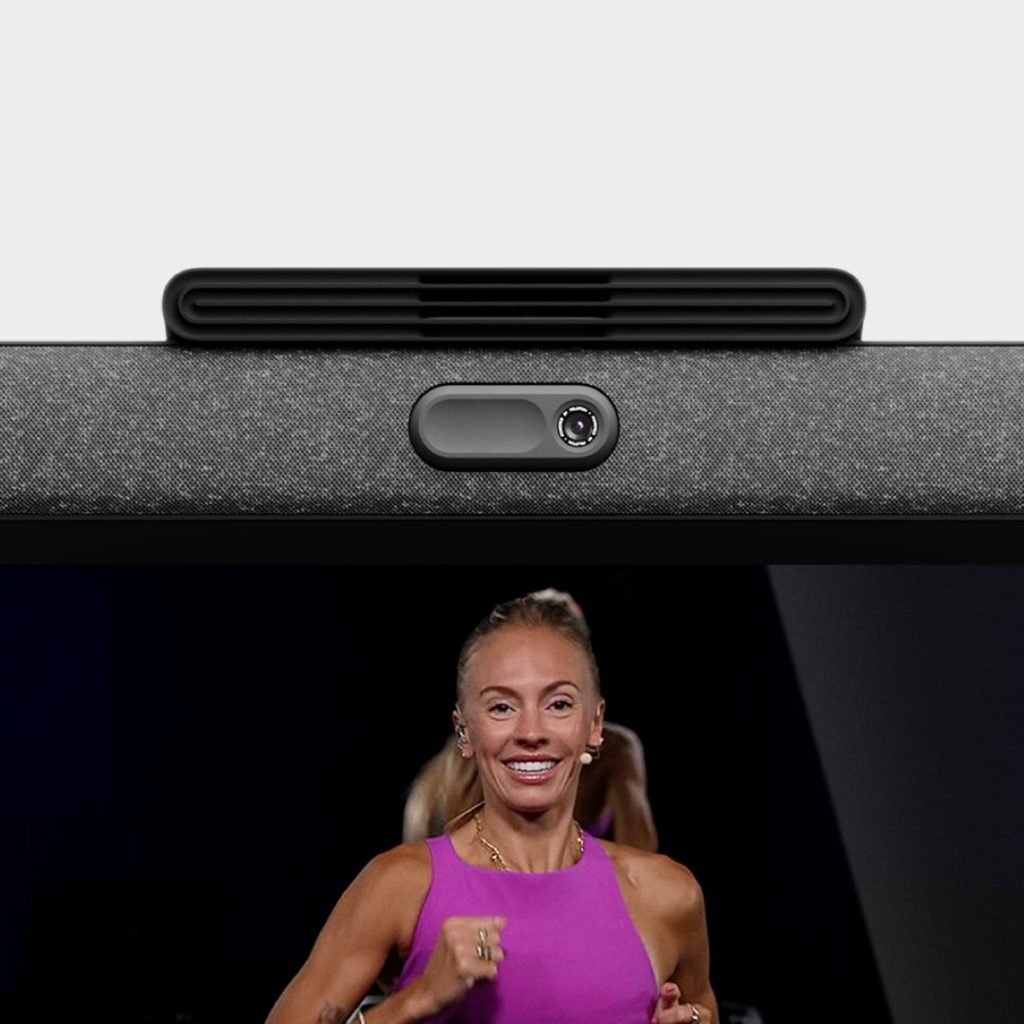
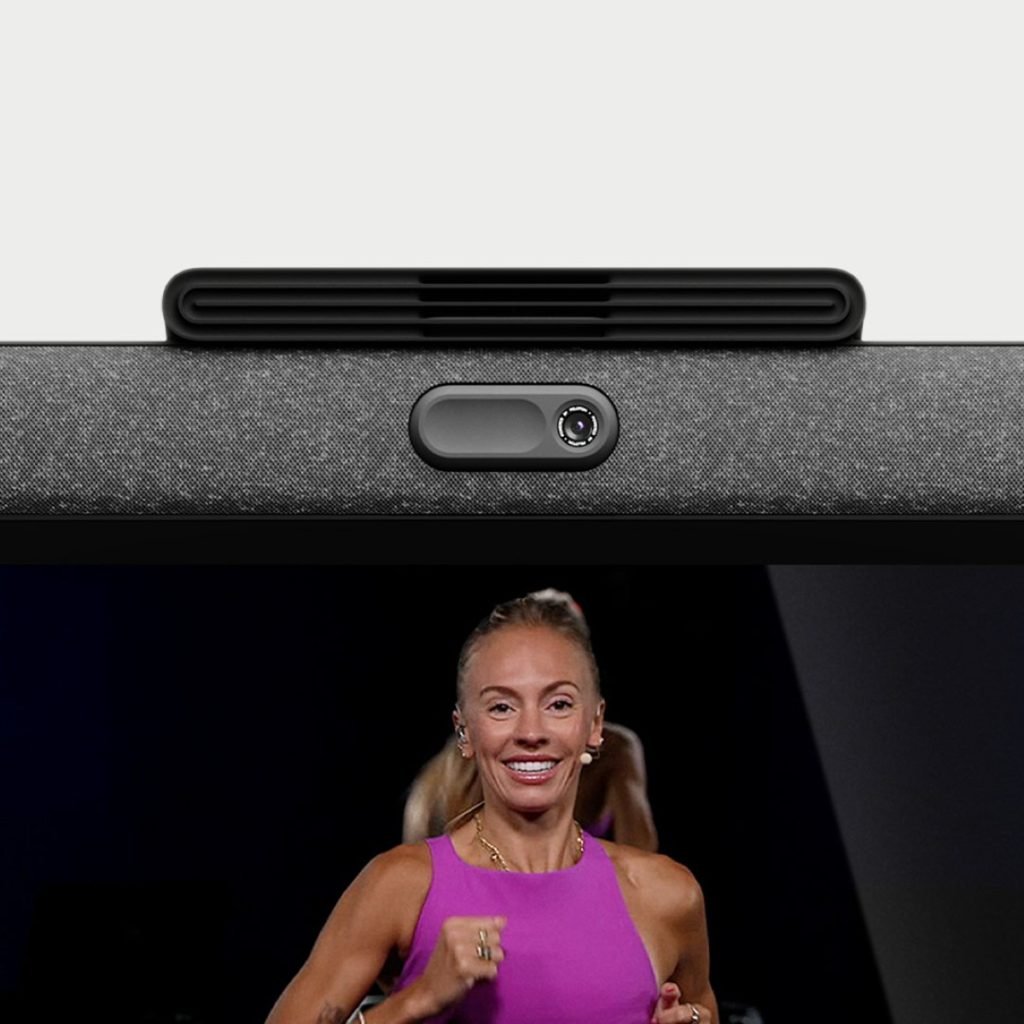
Stepping up to the A$4,999 Tread Vision brings a built-in movement-tracking camera into the console alongside an upgraded running deck cushioning system and tactile quick-jump physical buttons.
Instead of merely streaming video workouts, the onboard camera analyses your mechanics. Post-run, the system delivers form insights directly to the display, covering cadence, vertical oscillation, and stride length.
Because the screen can rotate away from the running deck, the camera also functions on the mat, tracking your lifting form, repetition counts, and body positioning during strength classes to flag technique breakdowns before they cause an injury.
“The Peloton advantage has always been the sum of its parts. It’s about the instructors and content you love, the software that simplifies wellness and equipment that fits seamlessly into your life and transforms your routine.
The new Tread lineup is the clearest expression of that yet. Powered by the evolving intelligence of Peloton IQ, our hardware becomes a personalized training partner that meets Members where they are and then grows with them over time.”
Nick Caldwell, Chief Product Officer, Peloton.
Software upgrades via Peloton IQ and wearable integrations
Alongside the new decks, Peloton is expanding its software capabilities across the platform starting 1 October 2026 through Peloton IQ.
The new software features include:
- Run Analysis: Generates an efficiency score by evaluating cadence, vertical bounce, and stride metrics to encourage cleaner biomechanics.
- IQ Pace Targets: Automatically sets individualised interval speed ranges directly on screen, calculated from your historical performance data so you do not have to guess your workout splits.
- Heart Rate Zone Workouts: Introduces dedicated Zone 2 cardiovascular coaching using paired heart rate monitors or smartwatches to keep endurance work within proper physiological zones.
- ReRuns: Allows runners to export their actual outdoor running routes, complete with elevation profiles, and mirror those gradients indoors on the Tread deck.
On the wearable side, Peloton has officially switched on direct two-way integration with WHOOP. Users can now link their accounts to sync workout metrics automatically, adding to existing compatibility with Apple Health, Garmin Connect, and Fitbit.
“From record marathon turnouts around the world to the rise of local run clubs, we’re rediscovering the joy of running, walking and hiking, which we see translating into strong engagement across our platform.
Expanding our treadmill portfolio and launching AI-powered software for runners will allow us to connect with a much wider audience, positioning Peloton to win the multi-billion dollar at-home treadmill market and help many more people achieve their fitness and wellness goals.”
Peter Stern, CEO and President, Peloton.
Australian pricing and rollout timing
Australian availability will roll out in two distinct stages across late 2026 and early 2027.
The Peloton Tread Vision lands first locally, hitting the Australian market on 2 October 2026 with pricing starting at A$4,999. This model marks Peloton’s first treadmill equipped with integrated computer vision outside North America.
For buyers constrained by tighter living spaces, the folding Peloton Tread Flex arrives in Australia in autumn 2027, starting at A$3,499. That makes it the most affordable connected treadmill Peloton has launched in the local market to date.
The top-tier Peloton Tread+ Vision model, featuring a slat belt design and a HYROX-style 300-pound Sled Mode, remains limited to North American distribution at launch, leaving the Tread Flex and Tread Vision to spearhead the Australian strategy.
The broader market picture
Connected fitness hardware has shifted past the pure subscription-lockout phase into an era where hardware utility matters just as much as on-screen talent. While A$3,499 and A$4,999 remain substantial hardware investments before factoring in the mandatory monthly All-Access membership, those who take their fitness seriously and are prepared to pay for convenience paired with software experience that approaches the insights of personal trainer.
For more information, head to Peloton.
Keep following us for the latest insights.