Google unveiled a brand-new slate of handsets for 2026: the Pixel 11, 11 Pro, 11 Pro XL and 11 Pro Fold. The Pixel 11 series has a number of improvements over its predecessors, including more efficient Tensor G6 processors, camera advancements such as Magic Capture and overall spec upgrades. While there aren’t many design differences
Google unveiled a brand-new slate of handsets for 2026: the Pixel 11, 11 Pro, 11 Pro XL and 11 Pro Fold. The Pixel 11 series has a number of improvements over its predecessors, including more efficient Tensor G6 processors, camera advancements such as Magic Capture and overall spec upgrades.
While there aren’t many design differences compared with the Pixel 10, the Pixel 11 Pro devices in particular do have one notable addition: HiLight. Initially rumored as the “Pixel Glow,” HiLight is essentially an array of ambient LED lights built around the camera’s flash that provide visual cues depending on the type of notification you’re getting. It hearkens back to the BlackBerry’s notification LED.
The Pixel 11 series also showcases many of Gemini Intelligence’s latest features, such as voice-to-text capabilities that filter out filler words when sending a message, or the ability to communicate in ASL via the Pixel camera.
The Pixel 11 series is now available to preorder. Wondering which new Pixel to buy? Here’s how the Pixel 11, 11 Pro and 11 Pro XL compare against one another.
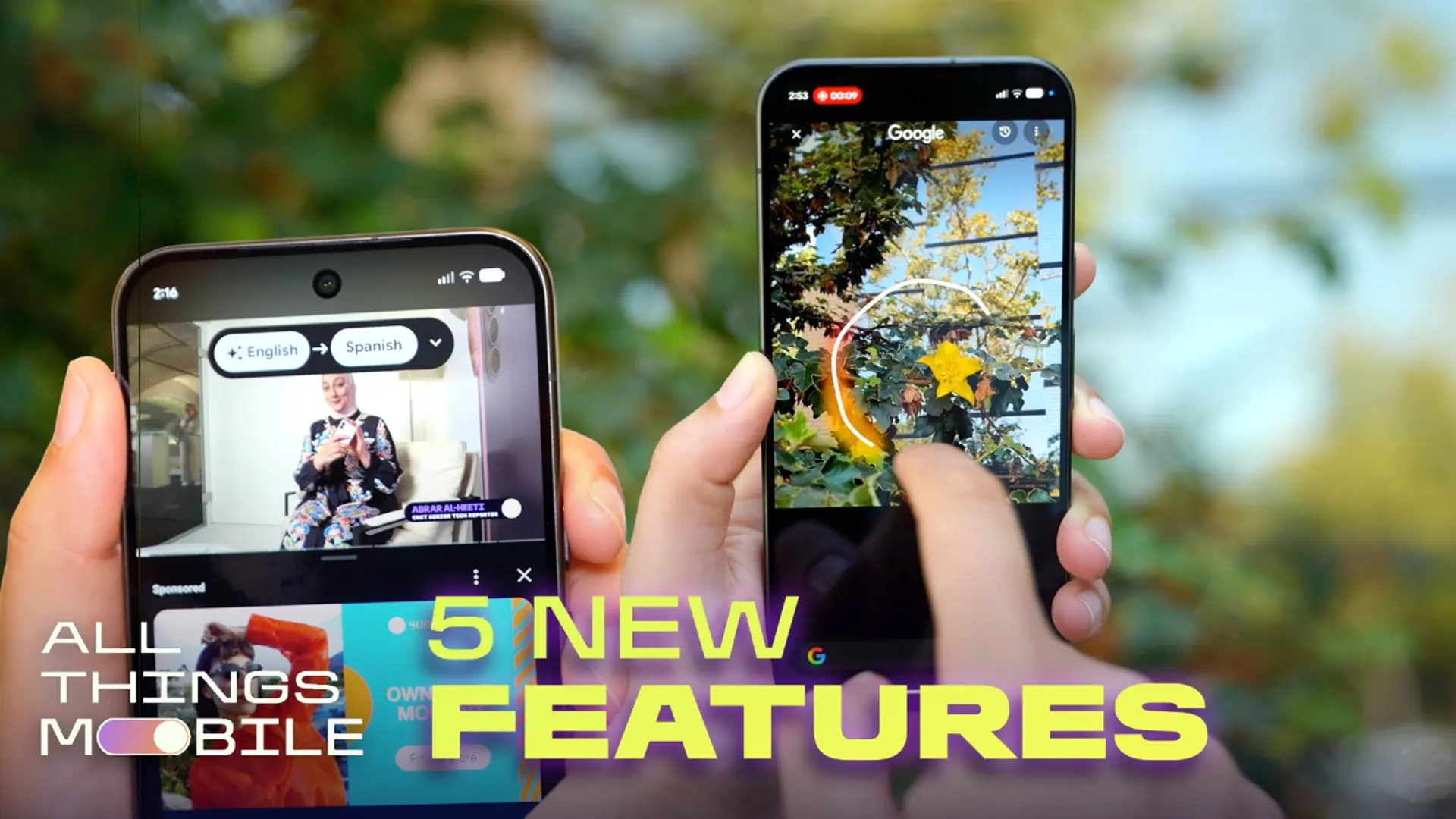
Pixel 11 vs. 11 Pro/11 Pro XL: Design and display
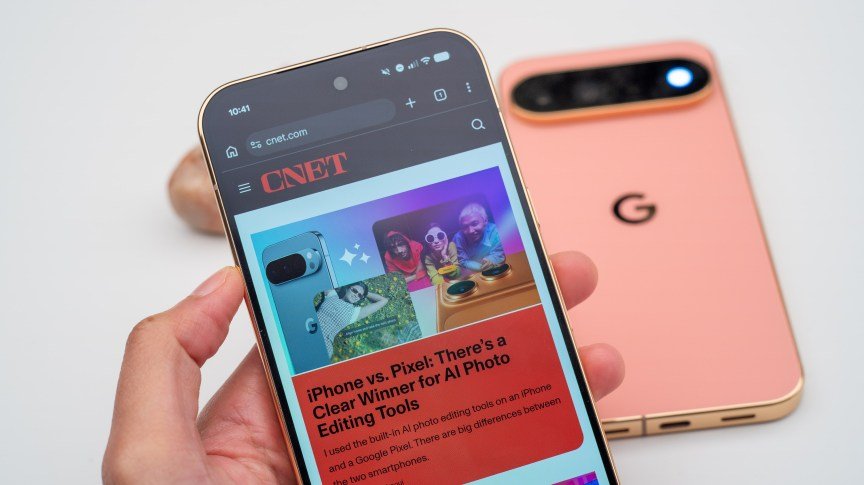
At first glance, the Pixel 11 series doesn’t look too different from its predecessors. The Pixel 11 and 11 Pro still have a 6.3-inch OLED screen, and the 11 Pro XL has a 6.8-inch OLED display. The Pixel 11 has a peak brightness of 3,000 nits, but the Pixel 11 Pro and Pro XL both have peak brightness increased to 3,600 nits (up from 3,300 on the 10 Pro and 10 Pro XL).
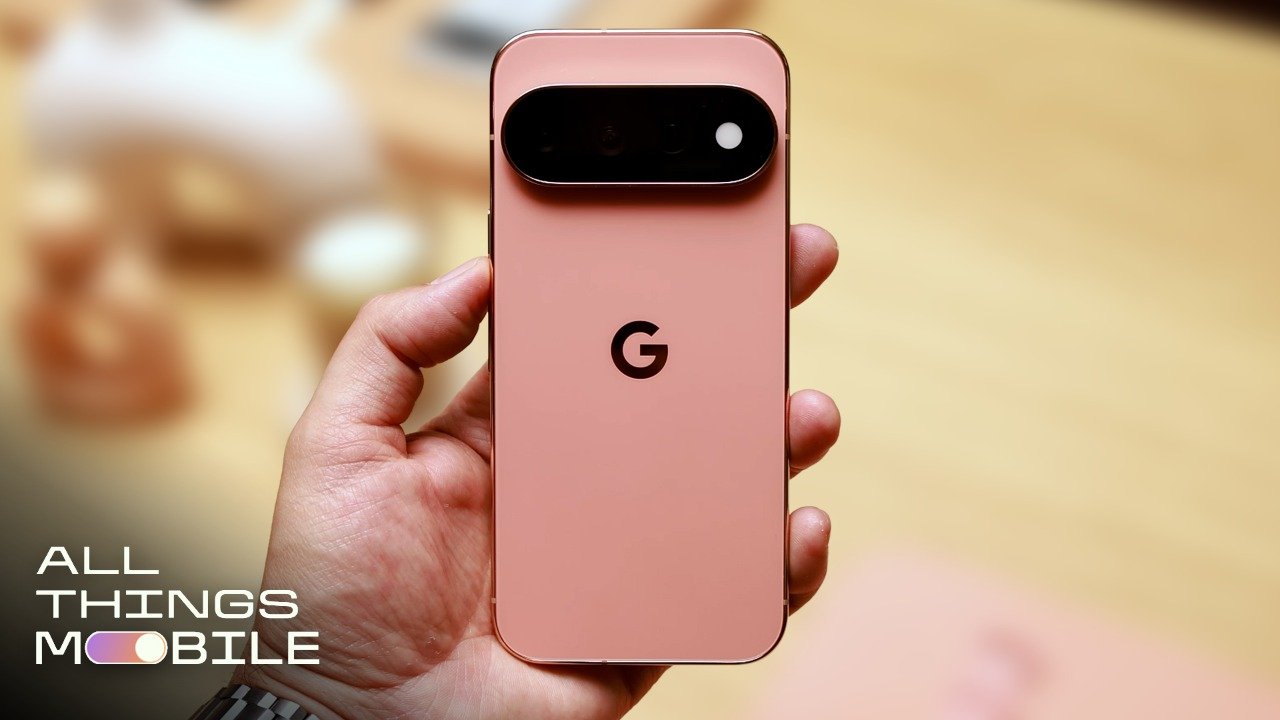
One major design change is that the Pixel’s camera bar is now made of edge-to-edge glass, giving it a much more seamless look. This camera bar is also home to the new HiLight ambient LED feature, though it’s exclusive to just the Pixel 11 Pro devices.
The aim of the HiLight feature is to provide visual cues about who is calling you when the phone is face down. According to Google, the feature integrates with your contacts list, so your favorite contact’s custom color will light up if they’re trying to call you.
Size-wise, the Pixel 11 and 11 Pro both measure 6 by 2.8 by 0.3 inches and the Pixel 11 Pro XL is 6.4 by 3 by 0.3 inches. Interestingly, however, they seem to weigh a tiny bit less than the Pixel 10 series. The Pixel 11 weighs in at 6.9 ounces (down from 7.2 ounces), the 11 Pro is 7.2 ounces (down from 7.3 ounces), and the Pixel 11 Pro XL is 8 ounces (down from 8.2 ounces).
Let’s not forget the color options. The Pixel 11 is available in frost, pistachio, hibiscus and obsidian, while the 11 Pro and 11 Pro XL are available in canyon, olive, fog and obsidian (matte finish).
Pixel 11 vs. 11 Pro/11 Pro XL: Cameras
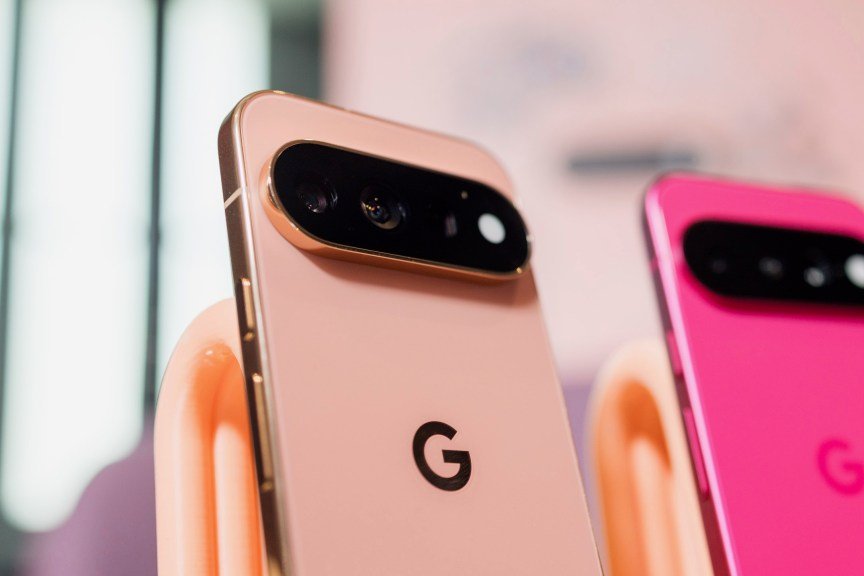
For the most part, the Pixel 11 series has the same trio of rear cameras as its predecessors.
Pixel 11 series cameras compared
| Wide-angle | Ultrawide | Telephoto | Selfie | |
| Pixel 11 | 48 megapixels | 13 megapixels | 10.8 megapixels | 10.5 megapixels |
| Pixel 11 Pro/11 Pro XL | 50 megapixels | 48 megapixels | 50 megapixels | 42 megapixels |
The big difference with the 11 series is that the 11 Pro cameras now have a Pro Zoom of up to 120x. The base Pixel 11 also has an upgraded 30x Super Zoom. Google also says that all three handsets have improved light sensitivity and larger sensors. The image sensors on the 11 Pro/11 Pro XL are larger than the ones on the Pixel 11’s cameras.
Many of the camera’s biggest improvements are software-based. For example, there’s a new Magic Capture mode that records a short video clip and then uses AI to select the best still frames from it. It definitely feels aimed at parents who want to take photos of their kids without worrying about getting the shot at the right time.
Another feature called Camera Looks lets you take photos with unique color and analog film styles. It’s similar to Photographic Styles on the iPhone.
Pixel 11 vs. 11 Pro/11 Pro XL: Storage, battery and other specs
One of the more notable shifts with the Pixel 11 series is that the 128GB model has been dropped from the lineup. Now, the lowest storage you can get is 256GB. That’s not necessarily a bad thing, but it does raise the price of entry.
| Model | Storage | RAM | US Price |
|---|---|---|---|
| Pixel 11 | 256GB | 12GB | $899 |
| Pixel 11 Pro | 256GB | 12GB | $1,099 |
| Pixel 11 Pro XL | 256GB | 12GB | $1,199 |
| Pixel 11 | 512GB | 12GB | $1,019 |
| Pixel 11 Pro | 512GB | 16GB | $1,219 |
| Pixel 11 Pro XL | 512GB | 16GB | $1,419 |
| Pixel 11 Pro | 1TB | 16GB | $1,499 |
| Pixel 11 Pro XL | 1TB | 16GB | $1,649 |
The Pixel 11 ships with a 4,985-mAh battery, the 11 Pro has 4,850 mAh and the 11 Pro has a 5,115 mAh. On paper, that might seem like a smaller capacity than their Pixel 10 counterparts, but Google says the Adaptive Battery feature on the Pixel 11 series should deliver over 30 hours of battery life. We’ll have to do some testing of our own to check those claims.
All the new Pixel 11 handsets are powered by the new Google Tensor G6, which should result in better power efficiency, faster browsing and faster app loading. Google also says that Gemini Nano should run with higher quality and lower latency on the Pixel 11 series thanks to the Tensor G6.
Here’s how the rest of the phone’s specs compare.
Google Pixel 11 Pro XL specs vs. Pixel 11 Pro, Pixel 11
| Pixel 11 Pro XL | Pixel 11 Pro | Pixel 11 | |
|---|---|---|---|
| Display size, tech, resolution, refresh rate | 6.8-inch OLED, 2,992×1,344 pixels, 120Hz refresh rate | 6.3-inch OLED, 2,856×1,280 pixels, 120Hz refresh rate | 6.3-inch OLED, 2,424×1,080 pixels, 120Hz refresh rate |
| Pixel density | 486 ppi | 496 ppi | 422 ppi |
| Dimensions (inches) | 6.4×3.0×0.3in | 6.0×2.8×0.3in | 6.0×2.8×0.3in |
| Dimensions (millimeters) | 162.6×76.2×7.6mm | 152.4×71.1×7.6mm | 152.4×71.1×7.6mm |
| Weight (grams, ounces) | 227 g (8.0 oz) | 204 g (7.2 oz) | 195 g (6.9 oz) |
| Mobile software | Android 17 | Android 17 | Android 17 |
| Camera | 50-megapixel (wide), 48-megapixel (ultrawide), 48-megapixel (telephoto) | 50-megapixel (wide), 48-megapixel (ultrawide), 48-megapixel (telephoto) | 48-megapixel (wide), 13-megapixel (ultrawide), 10.8-megapixel (telephoto) |
| Front-facing camera | 42-megapixel | 42-megapixel | 10.5-megapixel |
| Video capture | 8K at 30fps | 8K at 30fps | 4K at 60fps |
| Processor | Tensor G6 | Tensor G6 | Tensor G6 |
| RAM + storage | 12GB RAM + 256GB, 16GB + 512GB, 1TB | 12GB RAM + 256GB, 16GB + 512GB, 1TB | 12GB RAM + 256GB, 512GB |
| Expandable storage | No | No | No |
| Battery | 5,115 mAh | 4,850 mAh | 4,985 mAh |
| Fingerprint sensor | Under display | Under display | Under display |
| Connector | USB-C | USB-C | USB-C |
| Headphone jack | None | None | None |
| Special features | HiLight LED, 45W wired charging, 25W Qi 2.2 wireless charging, Gemini, Magic Capture, Creator Suite Rambler, Live Translate with American Sign Language, IP68 dust and water resistance, 7 years of software and security updates | HiLight LED, 30W wired charging, 25W Qi 2.2 wireless charging, Gemini, Magic Capture, Creator Suite Rambler, Live Translate with American Sign Language, IP68 dust and water resistance, 7 years of software and security updates | 30W wired charging, 25W Qi 2.2 wireless charging, Gemini, Magic Capture, Creator Suite Rambler, Live Translate with American Sign Language, IP68 dust and water resistance, 7 years of software and security updates |
| US price starts at | $1,299 (256GB) | $1,099 (256GB) | $899 (256GB) |

See full bio
For more tech updates, stay tuned to our blog.