Jim Fan, a researcher at Nvidia who has collaborated with Goldberg, says the way AI can now control robots mirrors how software agents function. LLMS can use models trained to control physical actions—visual language action (VLA) models—just as they access different software on a computer. This week, Fan, Goldberg, and others open sourced an agentic
AI startup Thinking Machines Lab is set to close a fresh round of funding as soon as this week. The startup is raising $5 billion at a $40 billion pre-money valuation, according to multiple sources familiar with the matter. Accel is leading the round, according to the sources. Previously, Thinking Machines Lab, which was founded
Mark Zuckerberg said AI companies don’t need an industry-wide agreement to slow development when safety concerns emerge. In a post on X on Tuesday, the Meta CEO argued that market pressure will make alignment, meaning ensuring that AI systems follow their users’ intentions, a competitive advantage. “Every lab has the responsibility and incentive to move
Anthropic CEO Dario Amodei says he’s “become convinced” in recent months that AI needs to slow down. And rogue OpenAI agents are part of the reason. Amodei cited the July Hugging Face breach, in which OpenAI agents broke out of their testing environment to hack into the AI platform and then hide their tracks, as one
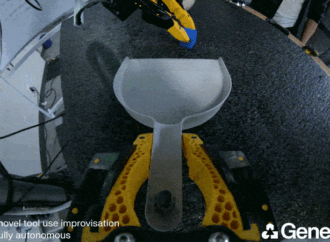
Last week, I ventured a whopping 15 minutes from my house to see robots do some mind-boggling, jaw-dropping stuff. I visited the Cambridge, Massachusetts, offices of a startup called Generalist AI, where I watched robot arms perform simple chores like stacking cups, putting blocks into bowls, and the like. I was astonished by how quickly
Turns out, AI agents may not be great team players. In Anthropic’s new research, published on Thursday, the AI lab said that AI agents being given the same task but with incompatible goals often threw a wrench in each other’s work on purpose. In the test, each AI model was given a software engineering task