Cars in European cities are smaller than ever. But as Europe’s appetite for microcars has grown, the cute Italian ‘yoghurt pots’ have largely given way to small Chinese EVs. Even Smart, the the iconic ultracompact car brand, has moved manufacturing to China. Spanish startup Liux thinks it can compete in a crowded market with a
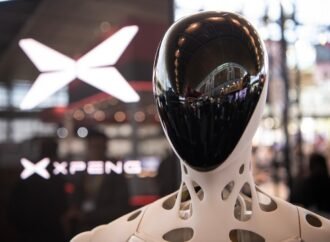
The hype around humanoid robots isn’t particularly new. Thank Tesla CEO Elon Musk and his Optimus robot, as well as the myriad videos of Boston Dynamics’ Atlas robot, for that. Behind that hype, though, there is real progress. The physical capabilities of robots continue to improve, and researchers now believe that the AI techniques behind large
For years, China’s military and intelligence agencies, which carry out hacking campaigns against targets around the globe, have grown increasingly reliant on a vast web of proxy devices that enable and obfuscate their targeting. Now the FBI has named and disrupted one key network of those proxies—and in doing so, revealed just how extensively the
The FBI has seized a series of domains that were used by a large-scale botnet to coordinate and launch China-backed cyberattacks against American targets. According to the Justice Department’s statement on Wednesday, the seizures of the botnet’s domains deny the operators access to the platforms. The botnet was allegedly used by the Chinese government to
A New Zealand court has jailed a religious sect leader over the death of an elderly follower who had travelled from China to live with his family. Kaixiao Liu was found guilty of manslaughter and kidnapping, and sentenced to more than 10 years in prison. The body of 70-year-old Shulai Wang had been found wrapped
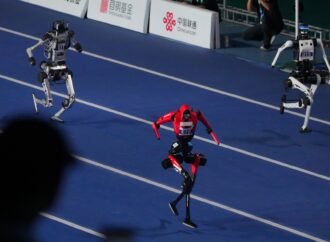
Chinese humanoid robots broke records set by humans, including beating Usain Bolt’s 100-meter sprint world record, on the opening day of the Olympics-like World Humanoid Robot Games in Beijing on Saturday. More than 2,000 humanoid robots were participating in the event, the organizer said. The five-day games, now in its second year, are a spectacle demonstrating China’s