VIDEO REVIEW: Tesla Model Y L: The 6-seater variant of the popular electric SUV arrives in Australia
- AI, ai coding assistant, AI regulation, Artificial Intelligence, openai, Reviews, Tech, Technology, Tesla, Vehicles
- March 29, 2026

The emissions from powering data centers rightly get a lot of attention. But new research from former Microsoft sustainability workers cautions that the way artificial intelligence enhances productivity in the oil and gas industry could be much more damaging to the planet. Published last week in the journal npj Climate Action, the research finds that
READ MORE
“Is there an AI bubble?” is such a tired thought. Here’s something altogether more wired: The AI boom is paying off, but not in a way that the current equities market has accounted for. The success of the technology in one area of the economy could make the bubble real in another, more precisely. In
READ MORE
Welcome to rural Reeves County, which counts about 4,000 households over 2,600 square miles, in barren and arid West Texas. Soon, courtesy of Chevron, the county will possess enough gas-fired electricity to power more than 2 million homes—though in this case, all of that power will be dedicated instead to Microsoft data centers. The massive
READ MORE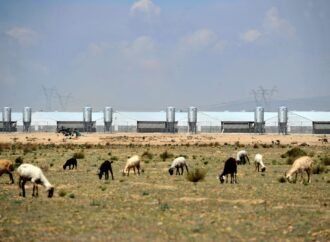
Ida Huddleston has lived on the same stretch of farmland outside Maysville, Kentucky, since she was 16. She and her late husband built a log home there, raised children, and worked the soil through six decades of marriage. Today, the family owns roughly 1,200 acres, and multiple generations still live on it. Last spring, an
READ MORE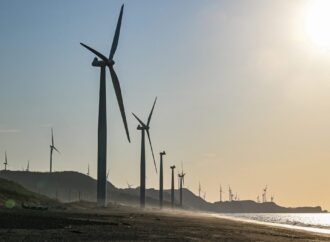
Asia’s energy security depends on the Strait of Hormuz, a waterway it doesn’t control, and the fallout from the return of conflict would extend well past fuel pumps. If Asia doesn’t build deeper, more liquid electricity networks now, it risks losing its slice of the AI value chain. Nearly every major Asian economy now has
READ MORE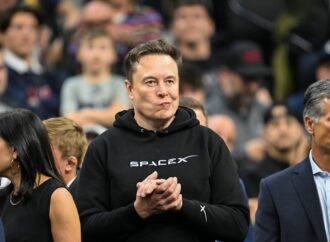
After spending nearly $16 billion on artificial intelligence infrastructure in the second quarter, Elon Musk used SpaceX’s first earnings call as a public company on Tuesday to explain why he believes SpaceX is uniquely positioned to dominate the AI compute race: rocket scientists. Defending the company’s aggressive investment in AI, Musk argued that the engineering
READ MORE