The FBI arrested an OpenAI employee and charged him with planting a surveillance device in an executive conference room to record the company’s plans for its artificial intelligence, the company and FBI confirmed on Tuesday. The US Department of Justice identified the employee as 35-year-old Abdulrahman Alfozan, a Saudi Arabian citizen and legal permanent resident
In a stunning disclosure, the Federal Bureau of Investigations (FBI) announced Tuesday that it has arrested an OpenAI employee who is a Saudi citizen, charging him with secretly recording conversations in a conference room at the company’s San Francisco offices. A specialized OpenAI security team—the technical surveillance countermeasures team—first found a recording device on Sept.
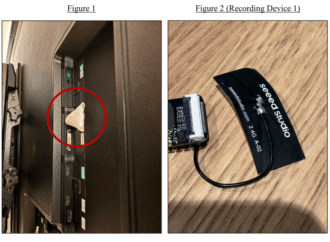
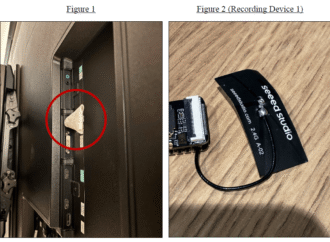
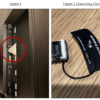
An engineer at OpenAI allegedly concealed an audio recording device in a piece of toilet paper and attached it behind a monitor inside an executive conference room at one of the company’s San Francisco offices, according to a criminal complaint unsealed on Tuesday. Abdulrahman Alfozan, who federal prosecutors describe as a 35-year-old Saudi Arabian national
OpenAI said it found a “sophisticated recording device” hidden in one of its offices and used its own AI to identify who planted the device. “We used our models to understand the device and where it had come from, identifying that a specific employee had planted it a few days earlier,” OpenAI wrote in an
Groups similar to ShinyHunters – believed to be an English-speaking gang – have in the past been linked to swatting incidents, and even petrol bomb attacks against law enforcement officers and rivals. The group claims it breached FBI systems on Monday and later posted details of the attack on its darknet site. The FBI has
Cyber-criminals who hacked the FBI say they have extremely sensitive medical data for thousands of its special agents. BBC News has seen samples of the stolen “fitness-for-work” medical examinations, which contain information such as blood and urine test results, and doctors’ notes mentioning conditions such as a “shellfish and banana allergy”. The records include agents’