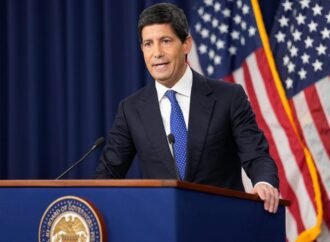
Markets and analysts are abuzz over the first Fed interest-rate hike since the second Trump administration. On Wednesday, the Federal Reserve raised rates by a quarter point, its first hike in three years, as officials sought to curb inflation. Kevin Warsh, the Federal Reserve Chair, said that the move would not immediately bring down individual
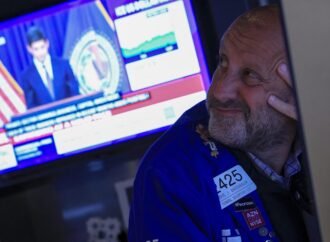
Stocks slid Wednesday afternoon after Federal Reserve Chair Kevin Warsh followed the central bank’s first rate hike in three years with a press conference that hinted it wouldn’t be the last. The S&P 500 dropped 1%, heading toward its lowest close since July. The Dow Jones Industrial Average fell 1.7%, or more than 700 points,
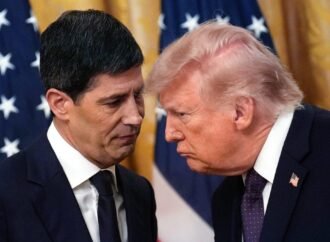
The Federal Reserve raised its benchmark rate by 25 basis points on Wednesday, increasing the benchmark federal funds rate to a range of 3.75% to 4%. It was the first increase since 2023 and the first thing Kevin Warsh has done to interest rates since President Donald Trump handed him the chair role. The vote
The Federal Reserve’s hiking cycle suddenly looks alive again. Wall Street was already growing nervous. Oil had pushed back above $100, bond yields were surging, the AI capital-expenditure boom continued to add pressure to credit markets, and Thursday’s producer-price report—which feeds into the Fed’s preferred inflation gauge—came in surprisingly hot. But Chair Kevin Warsh’s ambiguity
The Federal Reserve Bank of Kansas City’s annual economic symposium in Jackson Hole, Wyoming, which featured Kevin Warsh’s first speech as chairman, is winding down Saturday. Here are some of the key takeaways from the conference: Warsh Emerging Warsh used a keynote speech to hammer home a message that curbing inflation is the central bank’s
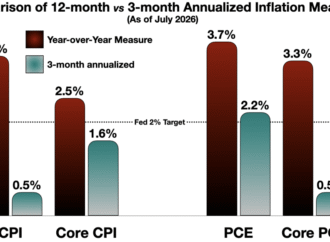
It is frequently said that the Federal Reserve steers by looking in the rearview mirror, basing monetary policy decisions on where the economy was in the past, rather than where it is today, or where it is headed. The reason is simple: the Fed relies heavily on measures that summarize the preceding 12 months. Those measures