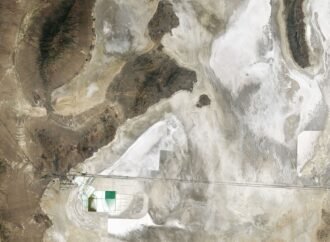
At its peak, ancient Lake Bonneville would have been a sight to behold. Nearly as large as Lake Michigan, the Ice Age lake spread across much of western Utah and parts of Nevada and Idaho. When it eventually receded, it left behind flat, bright playas and salt flats rich with minerals—a landscape that would later
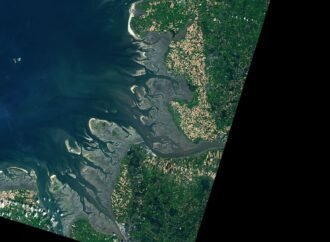
One of the major rivers of Europe, the Elbe flows more than 1,000 kilometers (600 miles) across the continent before reaching the North Sea. At its mouth, the low-lying landscape is continually reshaped by the rise and fall of the tides. These dynamic tidal flats are a boon to biodiversity while sometimes posing challenges for
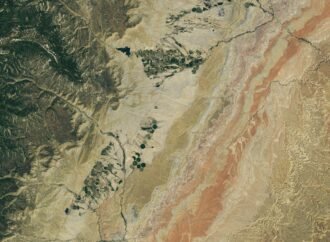
Historically, Castle Valley in central Utah has been a coal center, with active mining operations on the slopes of the Wasatch Plateau to the west since the late 19th century. A different energy development came to the region in June 2026, when a large solar and battery storage plant came online in the sunny valley
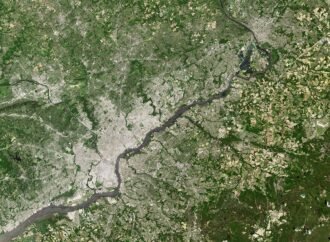
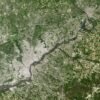
Editor’s note: In honor of America’s 250th birthday, the Earth Observatory is revisiting stories about the landscapes that helped shape American history. The images and text on this page were originally published on July 4, 2017. Explore the full collection here. Located between the Schuylkill and Delaware rivers, Philadelphia was founded in 1682 by William
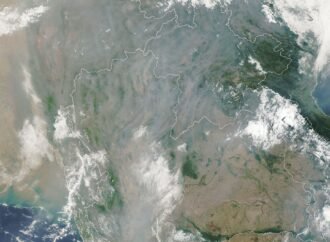
Chiang Mai, Thailand’s second-largest city, lies within a network of narrow valleys in the country’s northern highlands. Though the historic city is known for panoramic views of the surrounding mountains, clear skies have become less common. In recent decades, smoke has increasingly darkened the skies during the dry season, particularly in March and April. A