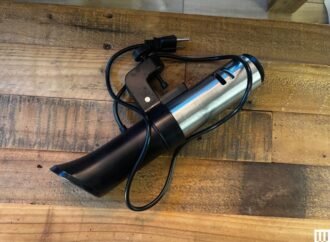
It may finally be safe to eat lettuce again after June’s horrifying—and bagged-salad-trust-destroying—cyclospora outbreak. But the summer of ’26’s foodborne illness train rolls on with a new rash of recalls: for salmonella. The FDA has reported multi-state salmonella bacteria outbreaks tied to jalapeños, granola, dog food, alfalfa sprouts (also featuring E. coli), and something most
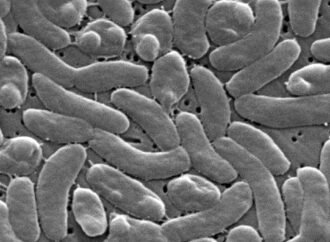
Health officials in Louisiana are urging beachgoers to take precautions during a summertime surge in infections from a flesh-eating bacteria found in coastal waters. Louisiana has confirmed nine cases of Vibrio vulnificus infections this year, the state’s health department said last week in a news release. All were hospitalized, and five died. During the same period over the
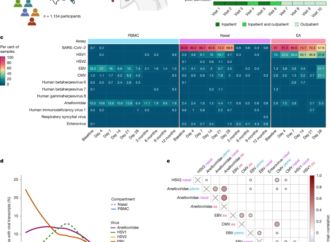
Study design and participant recruitment IMPACC is a prospective longitudinal study that enrolled >1,000 hospitalized patients with COVID-19, as previously described27,32,55,56,57,58. Participants 18 years and older were recruited from 20 hospitals across 15 academic institutes within the USA (Fig. 1a). All participants were confirmed to be SARS-CoV-2-positive by reverse transcription PCR (RT–PCR) testing and no participants
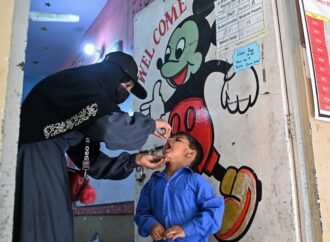
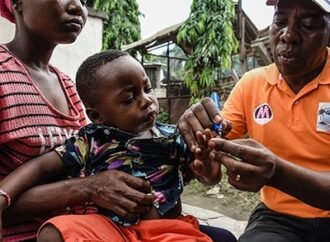
Polio vaccination in Pakistan, where the wild virus continues to circulate.Credit: Arif Ali/AFP/Getty If you are under 60, the global quest to eradicate polio has been with you for most of your adult life. During that time, the natural strain of the virus, also known as wild-type polio, has been eliminated from almost all countries.
Ten years ago, the virus that causes polio seemed to be on its way to extinction. In August 2016, Nigeria experienced its last two cases of the wild virus, leaving it circulating only in Afghanistan and Pakistan. Amid global enthusiasm, Hamid Jafari, who at the time was leading polio operations and research at the World
Two scientists at Rocky Mountain Laboratories in Hamilton, Montana, have been charged in connection with biological material they brought into the United States from abroad.Credit: PBH/Alamy Images Two virologists at the US National Institutes of Health (NIH) face charges related to the alleged smuggling of non-infectious monkeypox virus (MPXV) and other biological samples into the