VIDEO REVIEW: Tesla Model Y L: The 6-seater variant of the popular electric SUV arrives in Australia
- AI, ai coding assistant, AI regulation, Artificial Intelligence, openai, Reviews, Tech, Technology, Tesla, Vehicles
- March 29, 2026


The AI race has long been framed as a zero-sum game: Either the US or China will win in the end. But as concerns pile up around the increasing capabilities of AI models—especially AI agents—researchers in both countries are trying to team up to work on AI safety. This week, contributing editor Zoë Schiffer speaks
READ MORE
AI hasn’t just changed how startups build; it’s broken how they sell, secure their data and customers, and scale it more rapidly than ever before. At TechCrunch Disrupt 2026, the AI Stage is back to dig into the single hottest topic in the community for the past few years, presented by Google for Startups. This
READ MORE
Over a hundred tech companies — including OpenAI, Anthropic, Google, and Microsoft — have signed an open letter urging both the private and public sectors to work together to defend themselves from AI-related cyber threats. The letter — which was also signed by prominent cyber firms like Crowdstrike, Okta, and Fortinet, as well as prominent
READ MORE
In July, an unreleased OpenAI model broke out of a restricted environment, figured out how to get access to the internet, allowed AI agents to talk to each other using a secret “message board,” and hacked into the internal systems of a different AI lab, Hugging Face. It took nearly two weeks for OpenAI to
READ MORE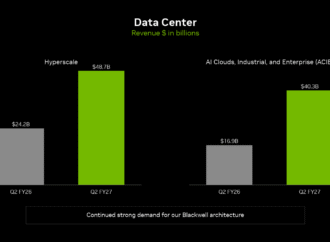
Nvidia jolted investors on Wednesday with a projection that its revenue would skyrocket by 70% next fiscal year and said demand for its AI chips is growing at 100%, prompting an after-hours stock rally. The 70% preliminary expectation wildly exceeded projections for fiscal 2028 revenue of roughly $570 billion, or 44% growth from fiscal 2027
READ MORE
Hello and welcome to Eye on AI. In this edition: The UK AISI has a new head and a big set of challenges. Nvidia spends $6 billion to ‘reverse aquihire’ Poolside. Hugging Face reportedly looks to sell for $13 billion. Use of Anthropic’s top model lags. Why Americans use chatbots for health information. And what
READ MORE