Riz Ahmed spent 10 years bringing “Bait” to life. Part of that journey was driven by fear: “It’s a very scary project to make because it’s so personal,” he says. Some of the delay, he reflects, came from finding excuses or sabotaging the process because it felt so exposing. “Bait” is indeed Ahmed’s most vulnerable
Trump’s bombing of Iran’s nuclear research facilities in 2025, and this year’s expansive bombing campaign and naval blockade, prompted a new round of Iranian threats against Trump – and a direct warning by the US president in response. In July, Trump wrote on Truth Social that Iran had made threats “to assassinate, or attempt to
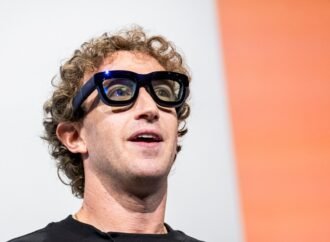
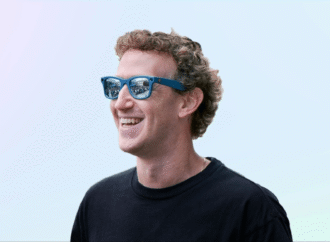
Meta on Monday released Muse Glimmer, an open-weight model designed to power AI agents locally on consumer hardware, providing the clearest picture yet of what CEO Mark Zuckerberg’s vision of “personal superintelligence” could look like in practice. The 30-billion parameter model is essentially an open version of Meta’s most powerful closed model, Muse Spark, which
“I do not understand why anyone who believes that AI will eliminate most jobs and much of humanity’s relevance would rush to build that future,” Zuckerberg wrote in an essay posted to Meta’s website Monday. “The notion that AI is so dangerous that the only safe path is an extreme concentration of power seems inherently
Meta founder and CEO Mark Zuckerberg is trying to convince investors of his prediction for the future, in which billions of people will have their own personal AI agents within the next five years. (Let’s hope the future also comes with data centers efficient enough to power all those agents, without triggering a new wave
Ten years ago, “Pokémon Go” vice president of product Michael Steranka was crying in the shower because the hit mobile game’s first large-scale event was, in his opinion, a disaster. The Niantic-developed game kept crashing, too many people were trying to play at once, and the servers couldn’t handle the immense popularity of the game.