VIDEO REVIEW: Tesla Model Y L: The 6-seater variant of the popular electric SUV arrives in Australia
- AI, ai coding assistant, AI regulation, Artificial Intelligence, openai, Reviews, Tech, Technology, Tesla, Vehicles
- March 29, 2026


Seyfried played Holmes all the way from her time at Stanford in 2003 (where she did the titular dropping out) through to the catastrophic collapse of her company Theranos in 2015, spurred by an exposé published in The Wall Street Journal, in the 2022 Hulu limited series “The Dropout.” Theranos purported to manufacture a device
READ MORE
“Widow’s Bay” guest star Betty Gilpin accepted her Emmy win for outstanding guest actress in a comedy by reading a poem she had written in jest — and very much in the unique style of the show. But it was one line that especially got the TV Academy audience at the Peacock Theatre to cheer:
READ MORE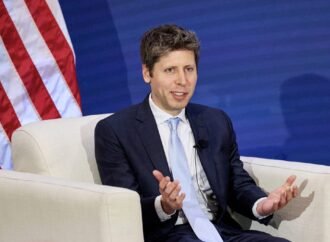
Inside the G20 event in Chapel Hill, N.C. this week, tech leaders like OpenAI’s Sam Altman raved about AI’s capabilities and the need to build more data centers. But outside, protestors struck a different tune. In a “fireside chat” with U.S. Commerce Secretary Howard Lutnick, Altman called AI “incredible magic of intelligence in a bottle,” while
READ MORE
In a late-night blog post last Friday, OpenAI said it would wind down its partnership with Cursor, the startup behind one of the most popular AI coding tools on the market. The reason OpenAI gave for the decision is effectively that it can’t trust Elon Musk, whose company SpaceX recently acquired Cursor in a $60
READ MORE
Mark Zuckerberg doesn’t have to worry about Sam Altman coming for his glasses. “I find it very uncomfortable talking to people with a camera and a light,” the OpenAI CEO told tech journalist Alex Heath during an interview for Heath’s “Sources Podcast,” which was published on Tuesday. Altman’s feelings are becoming quite clear. When reporters
READ MORE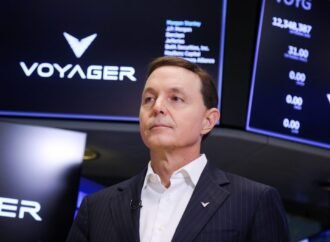
Some of the world’s most powerful tech billionaires think your next job posting could come from another planet. Elon Musk, Jeff Bezos, and Sam Altman have all predicted a future where humans live and work in space. Now, Voyager Technologies founder and CEO Dylan Taylor is backing them up—and he’s putting a very soon timeline
READ MORE