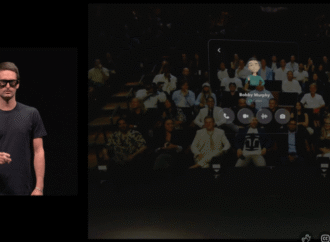
When Snap debuted its long-awaited smart glasses, Specs, earlier this year, the reveal was not only underwhelming but a genuine disaster. The glasses — which cost a whopping $2200 and are vaguely reminiscent of scuba gear — inspired jeers online and calls for the company’s CEO, Evan Spiegel, to resign. The company’s stock subsequently nosedived. Since
In a lengthy essay published over the weekend, Anthropic CEO Dario Amodei made a proposal that the AI industry would have rejected instantly even a year ago: embed third-party evaluators inside all frontier AI companies, giving them the power to report safety incidents, assess whether AI models are truly aligned, and share their unvarnished findings
Smart home owners will soon be able to control their devices connected to Google Home via an AI agent. On Tuesday, Google rolled out early access to its Model Context Protocol (MCP) server for its Google Home ecosystem, which will allow any AI agent that supports MCP — like Claude, Hermes, OpenClaw, ChatGPT, and Google
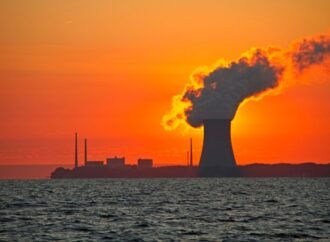
The U.S. has ambitious plans to triple the capacity of its nuclear power plants by 2050, but that goal might hit a roadblock if plant operators can’t buy fuel at reasonable prices. Prices for yellowcake, a form of unrefined uranium, are up 75% in the last five years, according to the U.S. Energy Information Administration.
Relay, an AI-powered workflow automation tool built as an alternative to Zapier, shut down entirely on Monday. The product let users automate email and task workflows using AI agents, but as OpenAI, Google, and other larger platforms built similar automation directly into their own tools, five-year-old Relay struggled to hold on to a reason to
Across the country, Americans are debating how their lives might change if new AI data centers are built in their backyards. Data center companies and their customers are promising new jobs and economic growth, but that pitch hasn’t won over a majority of Americans who oppose data center construction in their area, often over environmental