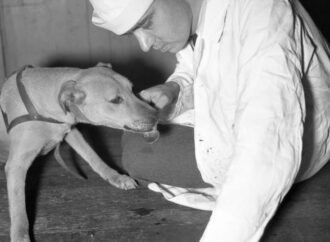
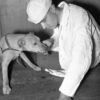
Under the harsh glare of overhead lights at a laboratory at the University of California at Berkeley, Lazarus II lay motionless. Dr. Robert E. Cornish, who’d asphyxiated the rangy white fox terrier with ether and nitrogen, watched the clock. Six minutes after the final heartbeat, the scientist gathered up the dog and strapped him to
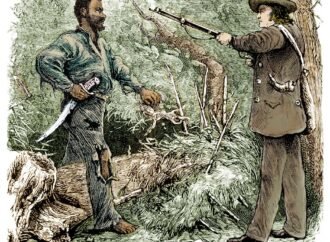
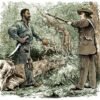
One August day in 1841, near Lebanon, Tennessee, two enslaved people heard the sound of rain pattering on the tobacco leaves around them. But this was no ordinary rain: It was a deep red color. The sky, it seemed, was raining blood. Even more alarming, small pieces of flesh and fat seemed to be raining
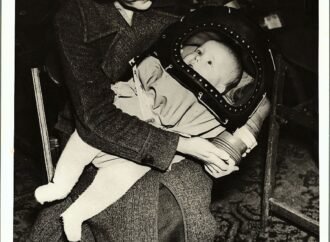
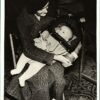
Time forgets the vast majority of inventions—usually for good reason. As parents and children everywhere get ready for trick-or-treating, we’d like to turn your attention to one such invention: the baby gas mask. In the November 1938 issue of Popular Science, “a doll demonstrates the use of the baby gas mask” in an undeniably creepy
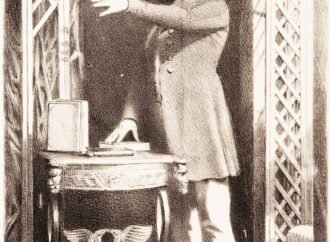
For as long as surgeons cut open living people to keep them alive, they have needed dead people to practice on. Today, donation programs keep medical schools supplied with the bodies they need to teach their students. But in 1820s Scotland, donating your body to science wasn’t legal yet. Nonetheless, one doctor found a way
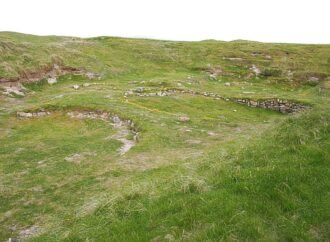
In 2001, archaeologists were painstakingly excavating a dwelling at the Bronze-Age site of Cladh Hallan in the Outer Hebrides islands off of Scotland’s northwestern coast. The house had been oval in shape, with a low door leading to an interior hearth. Other conveniences included sunken storage areas and stone-lined water storage tanks. Under the floors
In the summer of 1518, people in Strasbourg couldn’t seem to stop dancing—some even danced themselves to death. It all started with one woman, who stepped into the street and began moving uncontrollably. Soon, dozens of other residents followed suit, overcome with the inexplicable urge to hop, jerk, and sway. Within weeks, the outbreak had