
Bacon has become a mainstay on American breakfast plates. This cured, often-smoked pork product, cut mostly from a pig’s belly, adds a one-of-a-kind crunch and savoriness to breakfast, providing a salty counterpoint to other signature dishes like scrambled eggs, pancakes and oatmeal. We all have bacon preferences: charred and crisp, soft and chewy and, for
Bacon has become a mainstay on American breakfast plates. This cured, often-smoked pork product, cut mostly from a pig’s belly, adds a one-of-a-kind crunch and savoriness to breakfast, providing a salty counterpoint to other signature dishes like scrambled eggs, pancakes and oatmeal.

We all have bacon preferences: charred and crisp, soft and chewy and, for most of us, somewhere in the middle. Regardless of the outcome, a trending TikTok cooking hack claims to at least guarantee even cooking, prevent dangerous, dirty oil splatters, and keep the meat from burning beyond recognition. But does it hold up? I put the viral video tip to the test.
The water-cooked bacon process
Though I’m a fan of the quick, easy, CNET-approved oven-baking technique and even speedier air fryer method, the water-cooked method allegedly renders the bacon’s fat slowly and consistently, resulting in uniform cooking, fewer splatters and even reduced sodium.
Here’s how it works.
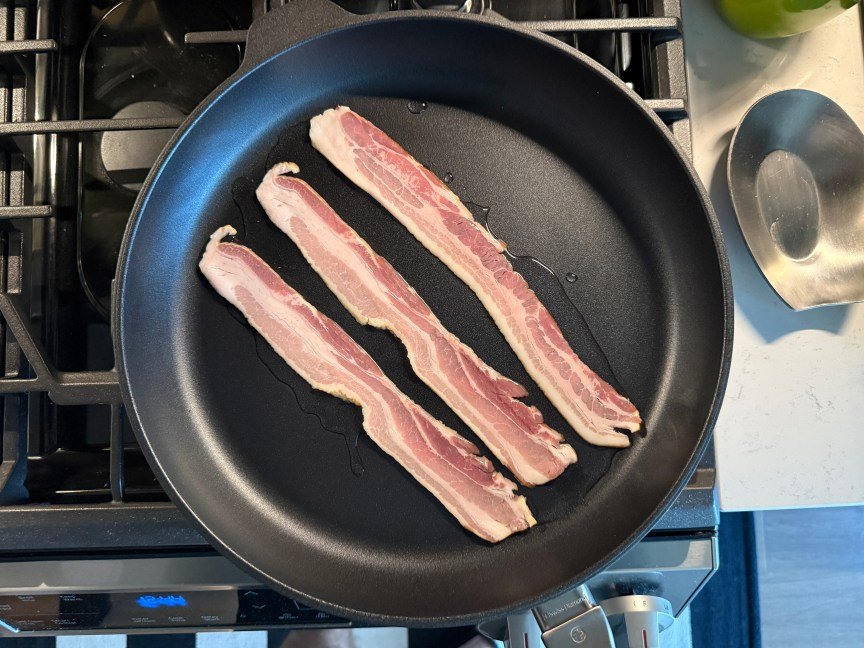
The stovetop process is simple:
- Place bacon slices in an oversized skillet so they lie flat.
- Add ¼ cup of water to the skillet and cook over medium heat.
- Allow the water to steam and evaporate. Once the water is gone, lower the heat to medium-low and cook the bacon until it reaches your desired crispiness.
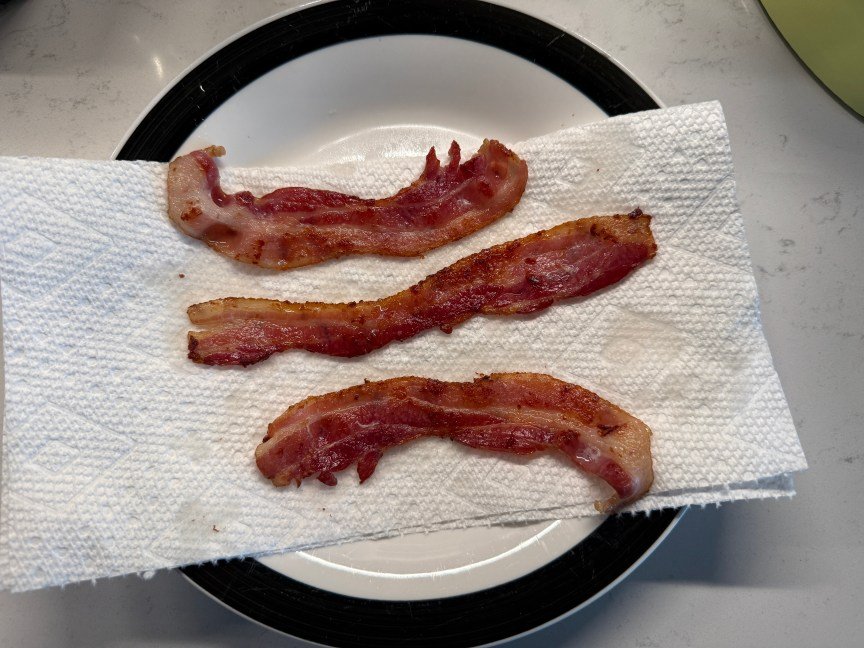
- Remove the cooked bacon from the skillet and place on a paper towel to soak up excess oil.
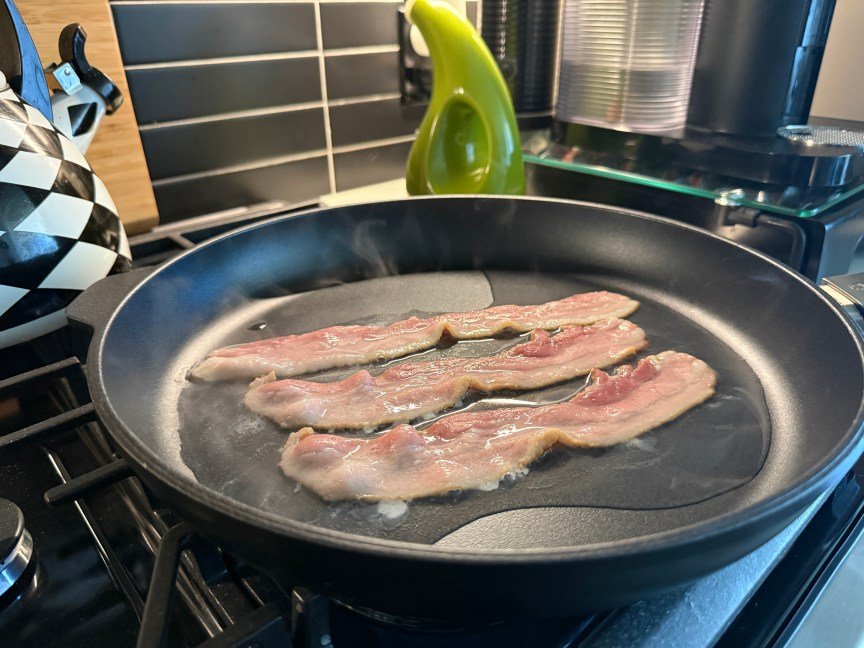
Ultimately, the water is said to suppress hot grease from popping violently and landing on stovetops or, more importantly, your skin. It also lets the meat cook low and slow before it fries in its own grease, rather than crisping immediately as the skillet heats up.
Water can also draw out some of the bacon’s sodium, which is ideal for those who find it too salty.
The results
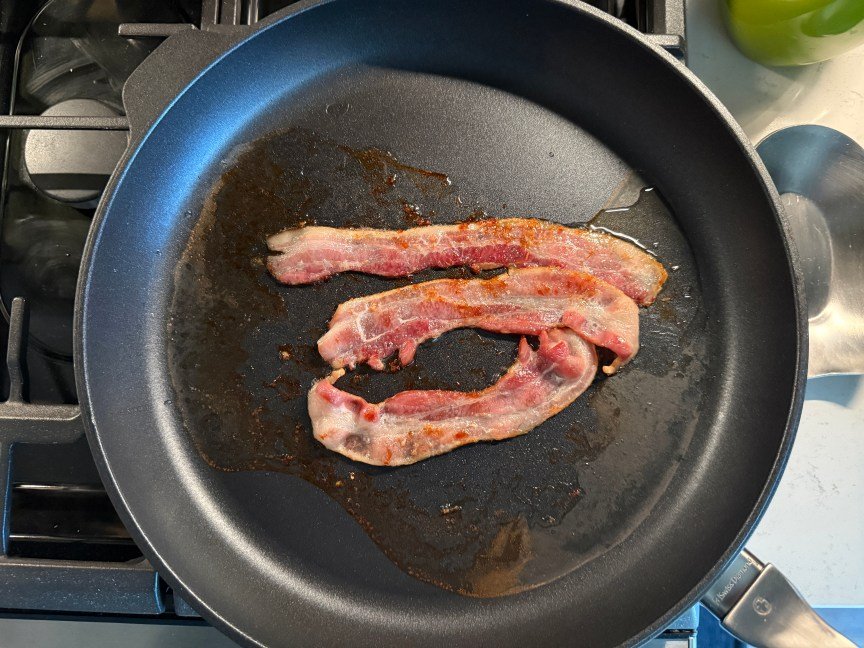
Color me shocked by the results: This cooking tip was executed flawlessly and lived up to the hype. The bacon strips were chewy yet crispy, with no bitter char, and cleanup took mere seconds with a quick wipe with a sponge and towel. (Pro tip: Reserve the leftover bacon grease to cook everything, from vegetables to rice, for added flavor).
My only gripe was that it took a few minutes longer than using an oven or cast-iron skillet. And, frankly, the clean-up of pesky splatters would far surpass the time it takes to cook with water, at least with the latter tool.
In an industry full of gimmicks and unverifiable shortcuts, it’s nice to sift through the culinary fluff and find something that actually works, especially with an ingredient as universally beloved as bacon. The fact that this trick has trended on TikTok is just a footnote and proof that social media sometimes gets it right.
Hungry for more tips? Here’s how to recycle frying oil, plus a neat trick for degreasing a frying pan before washing.

See full bio
Check back often for more exciting news!