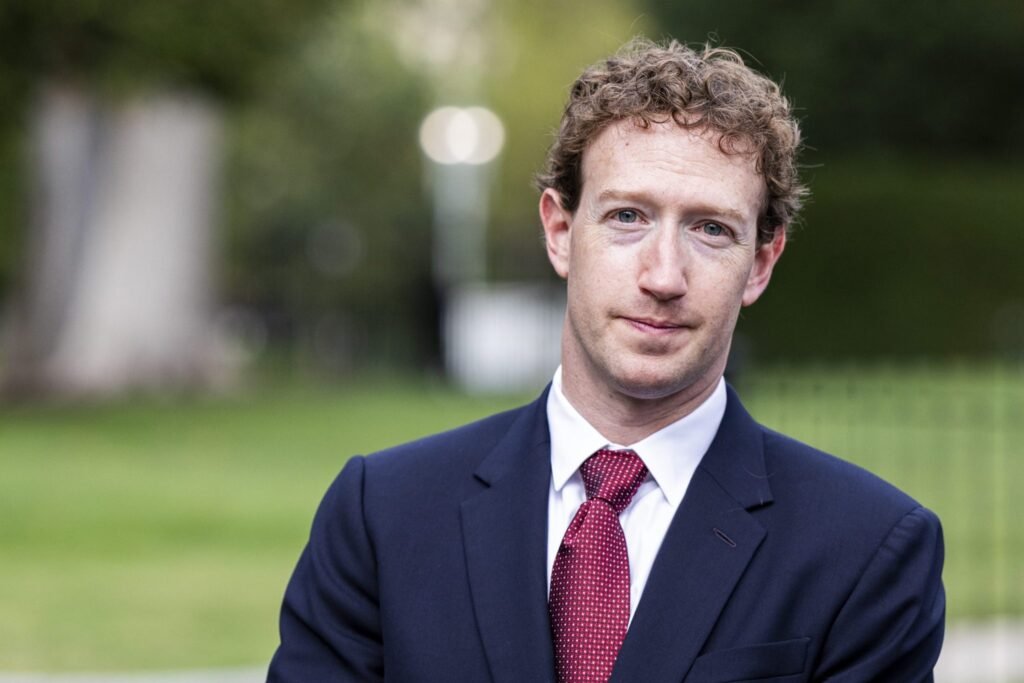
Meta CEO Mark Zuckerberg intends to maintain control over the company he founded in 2004 and a new class of stock will help him do just that. On Wednesday as Meta released third quarter earnings results, the company announced that it would issue a new share class of Class C stock. The share class, which
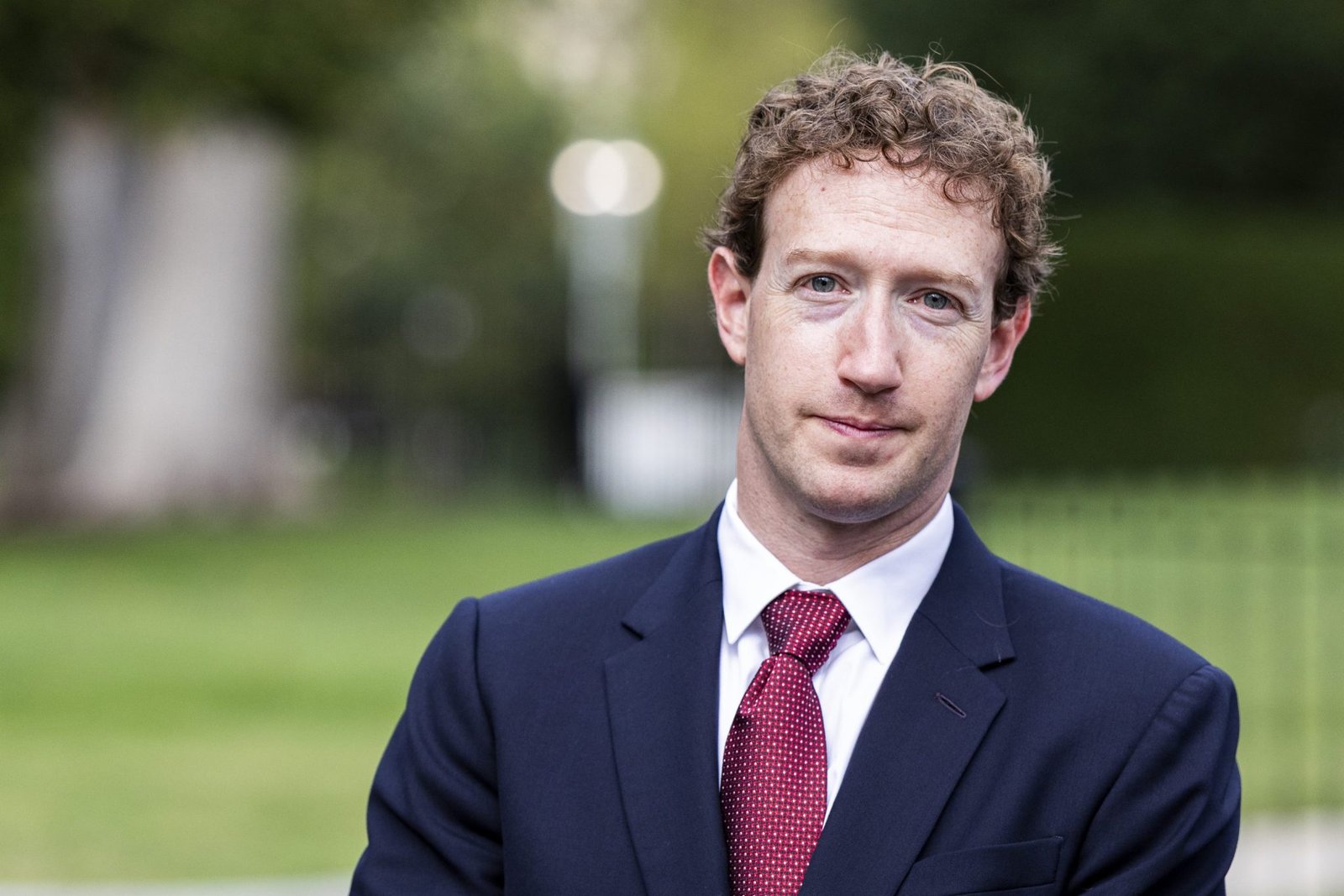
Meta CEO Mark Zuckerberg intends to maintain control over the company he founded in 2004 and a new class of stock will help him do just that.
On Wednesday as Meta released third quarter earnings results, the company announced that it would issue a new share class of Class C stock. The share class, which is technically a one-for-one stock dividend of new Class C shares, will be distributed to all shareholders. It was conceived following months of extensive negotiation that grew contentious at times between Zuckerberg and board members, including DoorDash CEO Tony Xu, Ambassador Robert Kimmitt, and ex-Microsoft executive Charles Songhurst. Xu disclosed his personal friendship with Zuckerberg but said it wouldn’t impair his judgement. At one point, the committee even talked about resigning if they couldn’t come to a resolution.
According to a Meta filing with the Securities & Exchange Commission, Zuckerberg wanted to be able to maintain his voting control, meet his pledges to fund the Chan Zuckerberg Initiative with his Meta stock, and be prepared to pay billions to the state of California if a proposed wealth tax is approved by voters in November.
The proposed wealth tax, however, came around the same time as a decision by the company in late 2025 that Meta needed to raise outside capital to help fund the AI boom. Zuckerberg holds about 60.6% of voting control at Meta, while his stake is about 13.4% of the company.
Like other major tech companies, Meta maintains a dual-class share structure, where Class A shares trade on Nasdaq as a one-vote-one-share stock. Conversely, Zuckerberg’s holdings are made up of mostly Class B shares, which carry 10 votes per share, which is how he maintains majority control. The condition on the supercharged Class B shares is if Zuckerberg sells them, they convert to Class A. Many companies require this condition for super-voting shares to ensure that outsiders don’t start to gain control of companies from founders seeking liquidity.
The rub is if Meta issues more Class A shares, which it does in order to make equity grants to employees, make acquisitions or raise capital, Zuckerberg’s stake gets diluted. Meta has long offset the dilution with stock buybacks, which helped buoy his voting power from 53.7% in 2013 to 60.6% now. But the buybacks also drain cash that Meta wants to use to fund the AI buildout. The company’s SEC filings show Meta repurchased $26.3 billion in Class A stock in 2025, but hasn’t bought back any shares in four straight quarters. Meanwhile, in the first nine months of this year, Meta posted $21 billion in stock-based compensation.
Meta’s third quarter results, released Wednesday, help explain why the share class came about. Revenue this quarter rose 26% to $64.6 billion while capital expenditures hit $34.9 billion. Meanwhile, free cash flow dipped to negative $2.1 billion, compared to $10.6 billion a year ago. Meta also forecast capex for 2026 at $135 billion to $140 billion, raising the low end up from $130 billion. Meta forecast fourth quarter revenue of $73 billion to $76 billion.
As a solution to the crunch, the new Class C stock will carry no votes, the company said. Meta will use them to pay employees, fund acquisitions, and raise capital without Zuckerberg losing majority voting control. He can also sell some of them without giving up votes, and more importantly, pay a potentially massive wealth tax bill looming in California without having to tap into his Class B shares. His current level of control is such that he can personally elect all the directors on the board and determine most of the issues proposed to shareholders for a vote, which won’t change following the recapitalization. With the new shares, Zuckerberg can sell 20% right away, and the remaining 80% are “stapled”—meaning he can sell them only if he sells or converts an equal number of his voting shares.
Proposition 40 in California, known as the wealth tax, is up for a vote on Nov. 3 and if it passes, it could hit Zuckerberg and the wealthiest in the state with a multibillion bill. The Bloomberg Billionaires index lists him at #5 with a net worth of $246 billion. In July, Zuckerberg told Kimmitt, who is Meta’s lead independent director, that selling his Class B stock to cover what he might owe for the wealth tax could cut his voting stake back down to 53%.
The tax came up in a conversation between the two after negotiations between Zuckerberg and the committee appeared to grow tense. The committee had suggested shareholder-friendly sunset provisions that would see the Class B shares convert into regular stock within a year of Zuckerberg’s eventual death or departure from Meta—or if he sold more than half his holdings. During a call with Kimmitt in July, the two discussed the wealth tax and noted that Zuckerberg had only taken a $1 salary from Meta since 2013.
Later that same month, Zuckerberg again brought up Prop 40, this time raising concerns about whether it might impact his ability to stay a California resident. The following week, Zuckerberg’s lawyers sent a letter asking for a pay package similar to those made to other tech founders, partly so Zuckerberg could pay a potential tax bill. Like SpaceX and Tesla CEO Elon Musk, many founders in tech have moonshot performance pay packages, in which rigorous stock price growth is tied to massive pay hurdles. According to the filing, Zuckerberg refused to consider any changes to his voting shares, including sunset provisions, and told the committee he was “considering establishing residence outside of California.”
The next day, the committee hashed over Zuckerberg’s stance and went over Meta’s analyst coverage and commentary, and the tightening of credit conditions for hyperscalers. Meta had seen relatively looser demand for its July bond issuance for a Texas data center. The committee wanted to keep Zuckerberg in California, close to its artificial intelligence lab.
Later that same day, August 4, Zuckerberg proposed a dividend of 20 shares of Class C stock for each share of Class A and B shares, paid to all shareholders. He told the committee he wouldn’t agree to sunsetting his Class Bs or support equity financing that diluted his voting control.
Then, he upped the stakes.
Zuckerberg told the committee “he intended to establish residence outside California, which he had been advised he would need to do before the November. 3, 2026 election,” the filing states.
The committee met again August 5, but viewed the 20-for-1 proposal as “excessive,” the filing states. By late August, all sides were dug in after various proposals had been issued and objected to. Eventually, committee members discussed dissolving the committee or resigning from the board if Zuckerberg wouldn’t make concessions for the benefit of all Class A shareholders.
At a September 9 board dinner, Zuckerberg told directors he planned to list his Palo Alto estate for sale on September 13. Committee members had recused themselves from dinner during his update. And then within days, a new proposal came together. Zuckerberg dropped his pay request and agreed to keep the $1 salary and committed to stay in California or wherever Meta is headquartered, for eight years. All shareholders get another one-for-one Class C dividend every time the stock price doubles from $580.60, so long as annual returns are at least 10%.
The deal was inked on September 14. Every Class A and Class B share will get one Class C share, effectively a two-for-one split and Zuckerberg can sell 20% of his new Class C shares right away. The committee approved days before the full board sealed the deal on October 19. Chan Zuckerberg entities that hold 56% of the vote signed off the following day and the new shares take effect on Jan. 19, 2027.
Chief financial officer Susan Li said Wednesday trading of the Class C stock will begin in late January. She said Meta has no specific financing plans yet.
“We thought it was prudent to establish the appropriate capital structure framework to ensure that we have access to a diverse pool of funding sources,” she said during Wednesday’s call.
Keep following us for the latest insights.