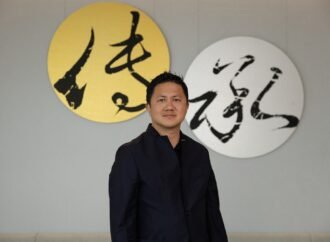
Asia’s young, self-made billionaires are a decade younger than their American and European peers. Having made their fortunes in tech and crypto—and with larger risk appetites than the “old money” rich—Asia’s nouveau riche manage their wealth very differently. “What if somebody comes with $100 million of stablecoin? You can’t take them to a local bank,”
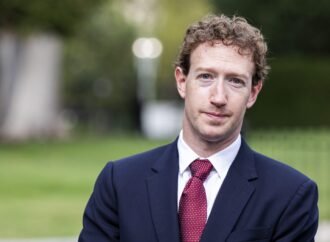
Meta CEO Mark Zuckerberg has agreed to keep living in Silicon Valley for eight years, potentially exposing himself to billions of dollars in one-time taxes if California voters approve a contentious ballot measure next month, according to a company regulatory filing released Wednesday. During a dinner with Meta board members on September 9, Zuckerberg informed
Meta CEO Mark Zuckerberg intends to maintain control over the company he founded in 2004 and a new class of stock will help him do just that. On Wednesday as Meta released third quarter earnings results, the company announced that it would issue a new share class of Class C stock. The share class, which
Supporters of California’s proposed billionaire tax say it could raise $100 billion, with 90% of the proceeds earmarked for health care. A pair of Stanford economists warn it could instead leave the state $39 billion worse off in today’s dollars. Proposition 40, on California’s Nov. 3 ballot, would impose a one-time 5% tax on the
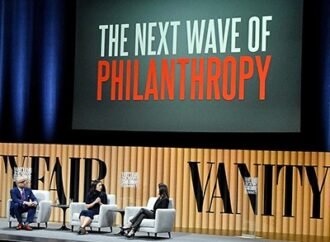
It’s boom time for billionaires. In the next few months, the world could see a fresh crew of technology entrepreneurs join that club, and the numbers of multi-millionaires would swell even more. How a new wave of science philanthropists can have the greatest impact Two giants of artificial intelligence, OpenAI and Anthropic, plan to go
Mark Cuban says many of the customers flooding his low-cost pharmacy have something in common: They already have insurance. And they’re still better off paying cash. “They come to us because our cash price is often lower than what their insurance plan asks them to pay,” Cuban told Texas House lawmakers on Sept. 1. “That