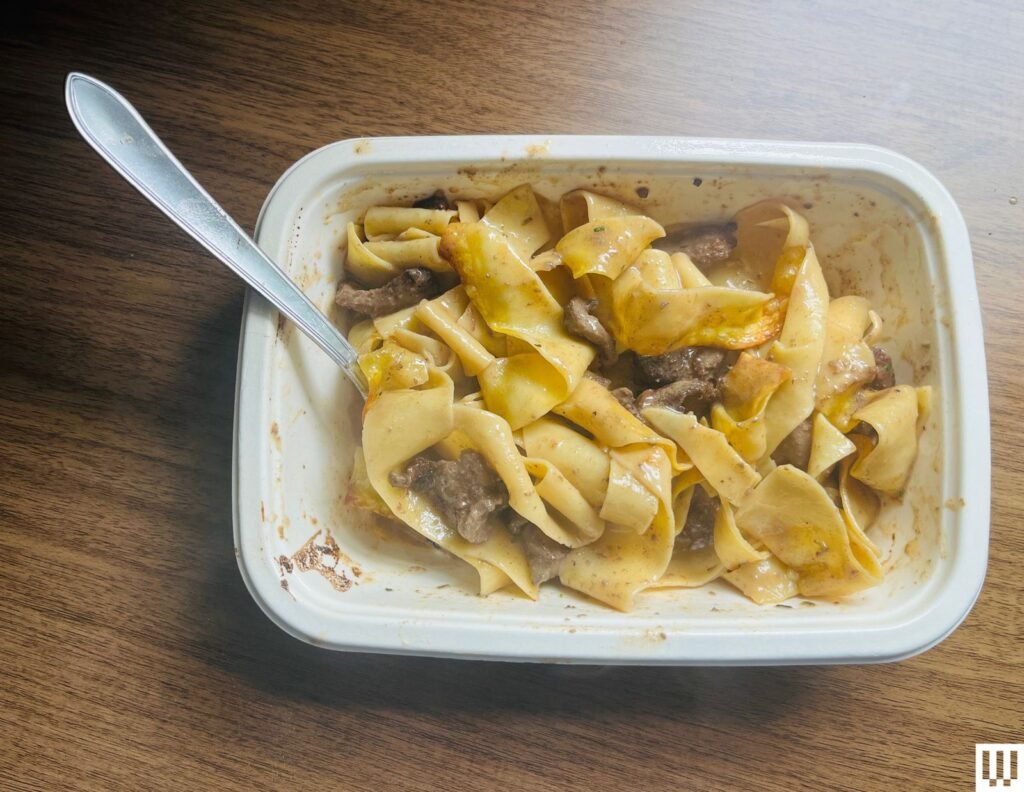
At a lower cost, each of Raj’s delivery meals consistently tastes better than the (admittedly not great) Punjabi restaurant down the street from me—less sugary, more rich, with saffron-tinged basmati and chicken that remains juicy and plump, not overcooked. Raj’s Indian gravies offer the most compelling argument for me to order CookUnity, in a city
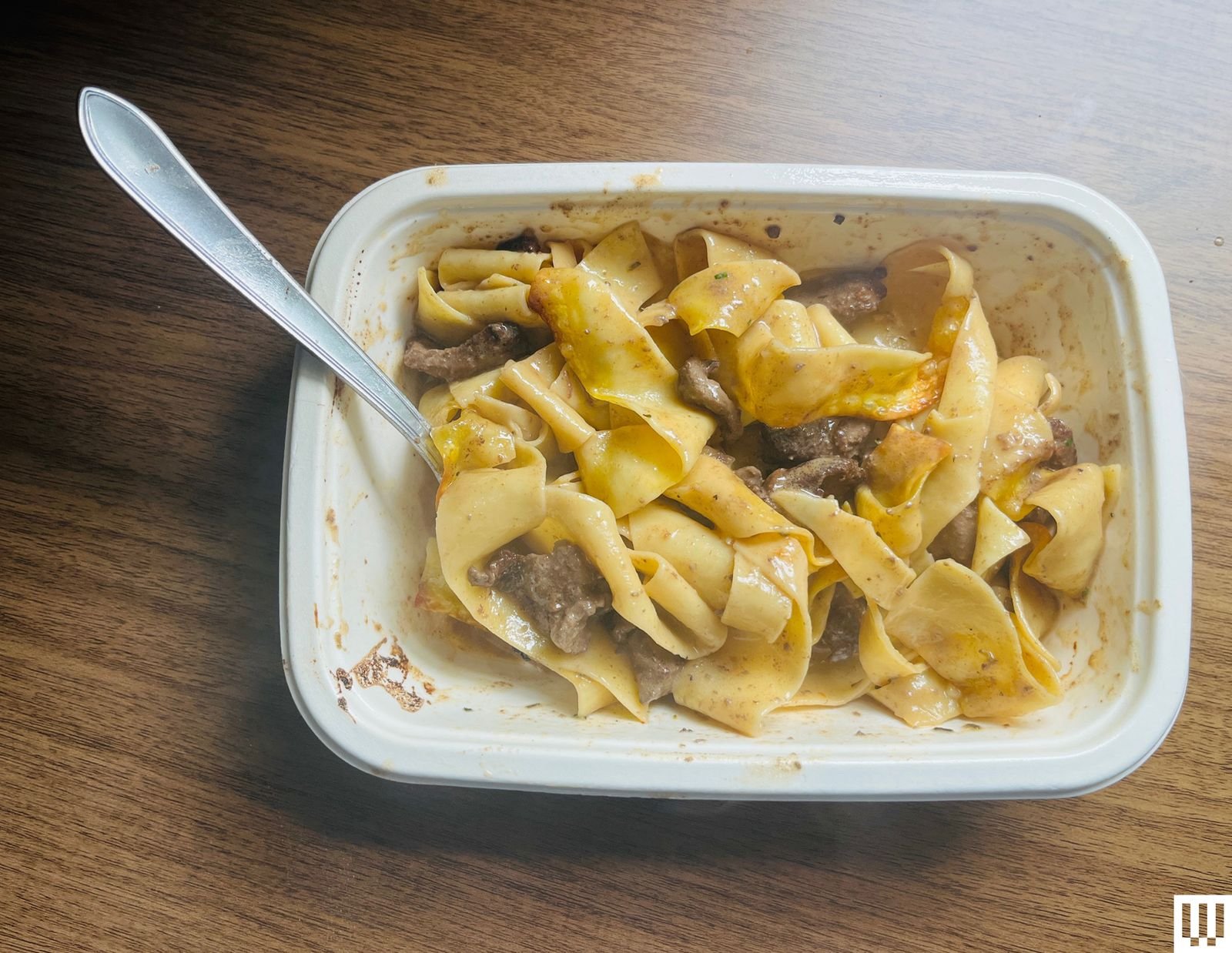
At a lower cost, each of Raj’s delivery meals consistently tastes better than the (admittedly not great) Punjabi restaurant down the street from me—less sugary, more rich, with saffron-tinged basmati and chicken that remains juicy and plump, not overcooked. Raj’s Indian gravies offer the most compelling argument for me to order CookUnity, in a city (Portland) where the best Indian food is often a half-hour drive into the suburbs.
But, of course, Raj’s meals are available only to those served by the Seattle hub. Others, near Los Angeles or Atlanta, may have other local chefs who offer similarly compelling arguments. I wouldn’t know.
Local Mileage May Differ
The strength of CookUnity is that each regional hub is basically local. But this is also a potential weakness: Each regional hub is different. Each hub has greater or lesser variety. Each also has a different selection of chefs and meals.
But my good experience with the Seattle hub might translate to what you’ll find in a different kitchen, with different cooks. This may be true even if the same chef’s name and face are on your meal box. Some chefs operate four or five kitchens at different hubs, and different kitchens may have different results, even with the same recipes. And heck, I’ve had different results even from the same chefs. I can only speak to my own good experience and the good experience of my colleague Louryn Strampe, who ordered out of the Chicago hub.
Note that while CookUnity offers a much bigger caloric range than most prepared meal kits, usually the big feasts are heavily carb-loaded: rice, noodles, pasta. Those looking for a focus on proteins and veggies can find them easily, but usually in more moderate portions. Food cost is food cost. Starches are cheap.
But I have reason to believe that CookUnity’s other hubs also offer good cooking—and that has a lot to do with CookUnity’s business model. The overall factor that I think makes CookUnity work is healthy competition.
Each CookUnity chef making prepared meals is, essentially, a competing food business within the same big commissary kitchen. Their name is on each box, and a good number of the chefs have restaurants and reputations to protect. There are many incentives to make each meal interesting and delicious. My experience bears this out.
Love WIRED? Add us as a preferred source on Google to see more of us.
Keep following us for the latest insights.