The use of cannabis is documented across cultures stretching back thousands of years, but it frequently relates to harvesting the plant for hemp and other non-psychoactive products. That said, one Bronze Age society of horseriders living in present-day Russia called the Scythians may offer the oldest example of intentionally ingesting cannabis for its intoxicating properties.
The use of cannabis is documented across cultures stretching back thousands of years, but it frequently relates to harvesting the plant for hemp and other non-psychoactive products. That said, one Bronze Age society of horseriders living in present-day Russia called the Scythians may offer the oldest example of intentionally ingesting cannabis for its intoxicating properties. In the Eurasian steppes of Siberia, archaeologists have discovered a princely Scythian tomb complex featuring an estimated 1,000 cannabis seeds intentionally placed among the dead.
“The seeds show that cannabis played an important role in the rituals surrounding the burial,” Gino Caspari, an archaeologist at the University of Bern in Switzerland, explained in a statement.
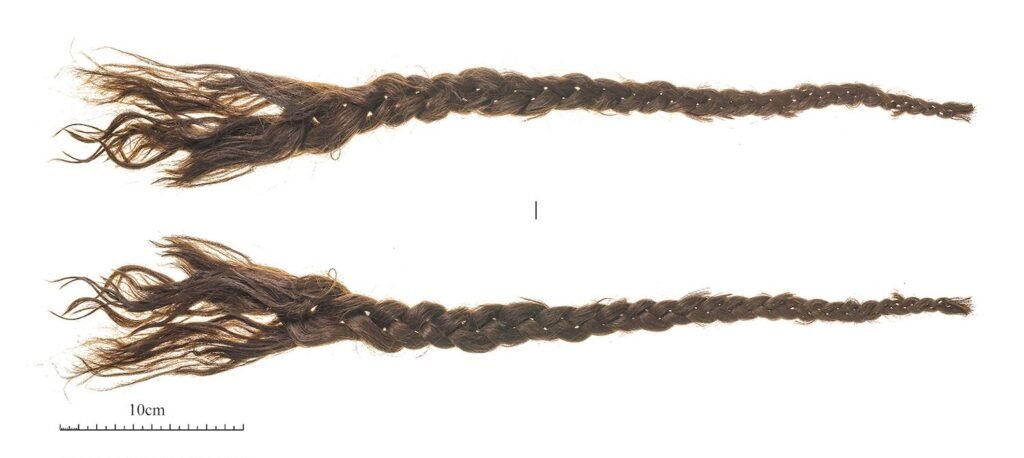
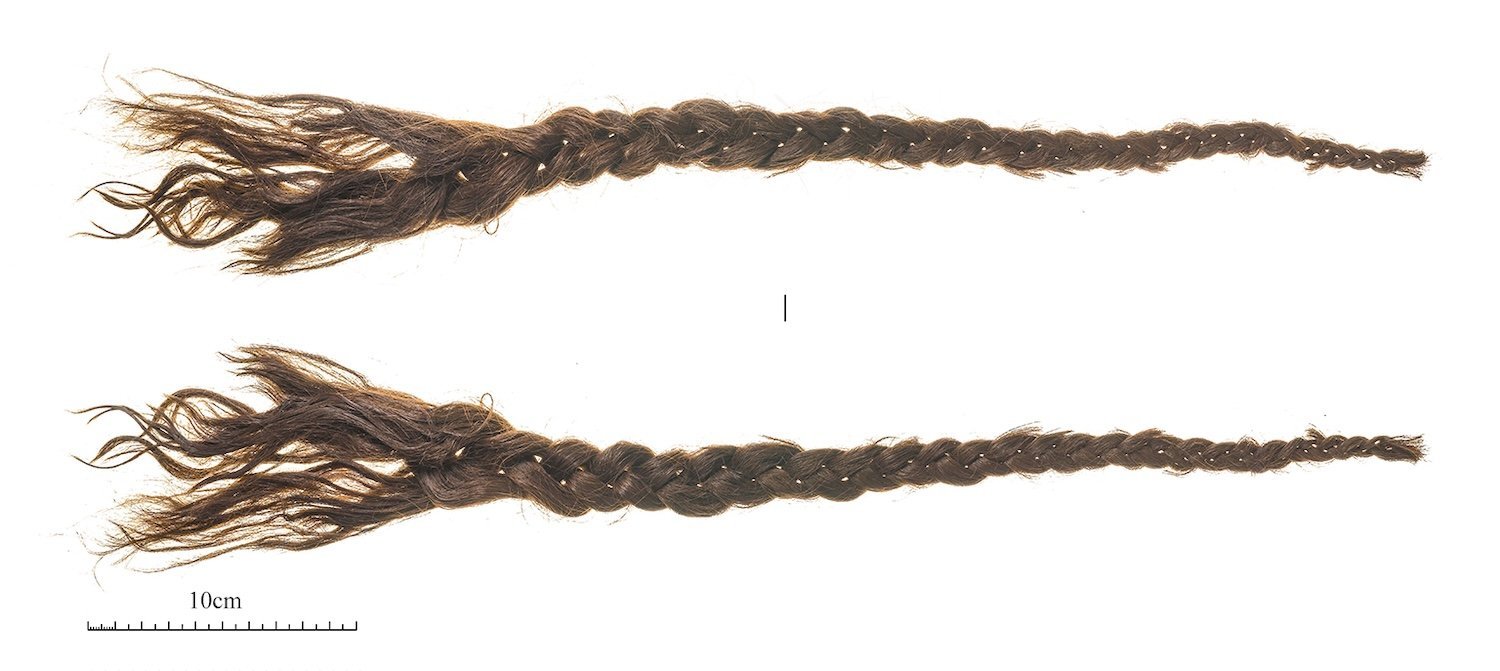
These weren’t simply symbolic objects, either. As Caspari and his colleagues detail in a study published today in the journal Science, human hair samples from the central burial room indicate Scythian royals also partook in cannabis use.
The Scythians were a group of ancient eastern Iranian nomadic equestrians renowned for their horseback skills. The community migrated from Central Asia into present-day Ukraine and southern Russia beginning in the eight and ninth centuries BCE, and stayed there for roughly the next 500 years. Their regional influence eventually waned before the Scythians ultimately assimilating into neighboring populations after being displaced by the Goths during the third century CE.
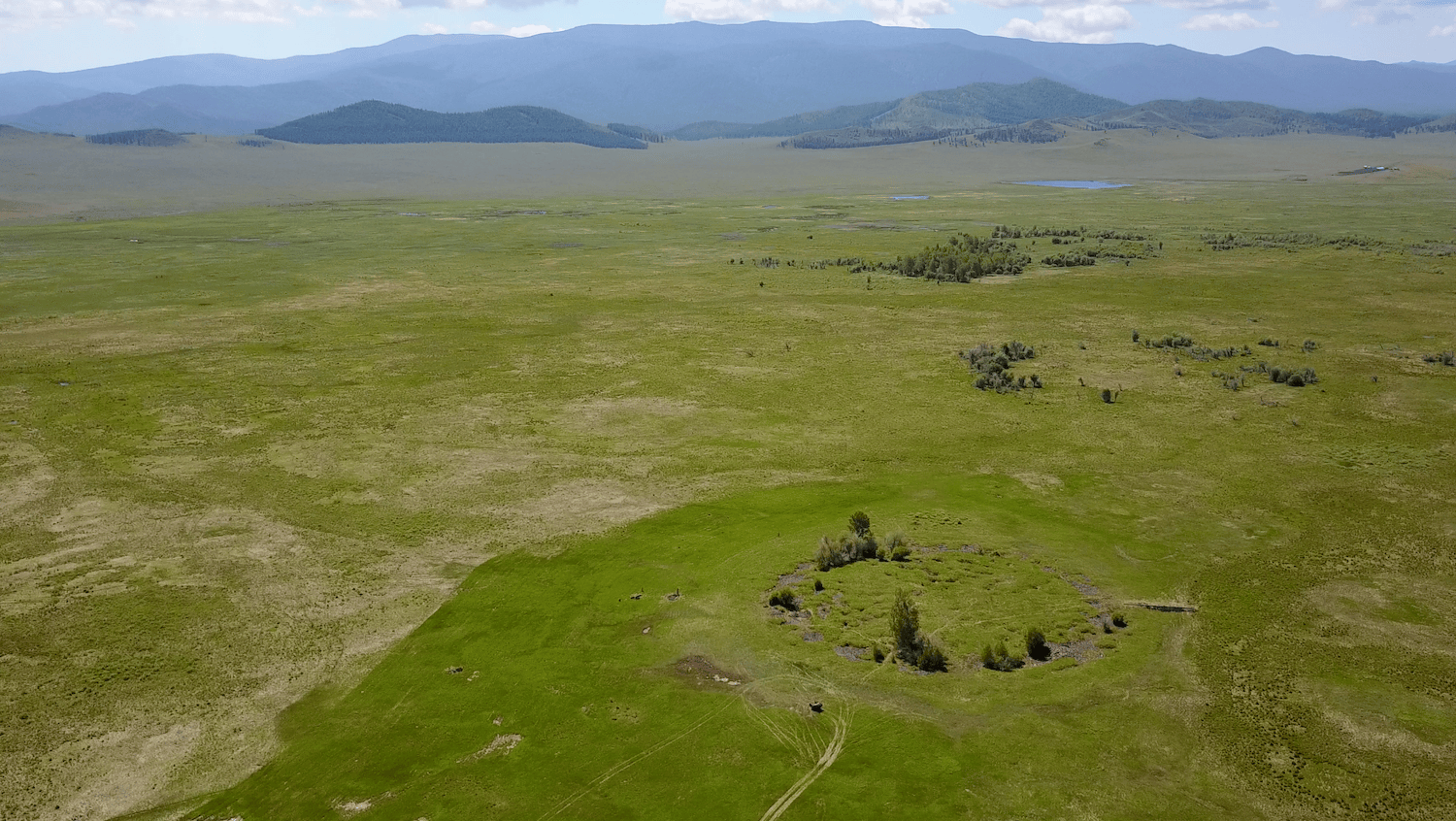
The burial complex Caspari’s team examined is located in Tuva, a south Siberian republic of Russia located along Mongolia’s northern border. Although ancient plant material like leaves, flowers, and resin generally decompose long before archaeologists can ever locate them, seeds sometimes endure when shielded from the elements. In this case, the royal tomb ensured near optimal conditions to protect the cannabis remnants. Laboratory radiocarbon dating of six recovered seeds indicate Bronze Age attendants likely placed them inside the burial chamber during the early eighth century BCE.
The exact details of Scythian cannabis cultivation and use remains unclear. Researchers theorize the plants were wild variants that naturally grew in the region. At the same time, hair analysis through methods like high-resolution mass spectrometry revealed the clear presence of cannabinol (CBN), which is produced by the oxidation of cannabis’ primary intoxicant, tetrahydrocannabinol (THC). The team also noted weak signs consistent with THC itself.
The detection of these molecular signals doesn’t reveal how much cannabis the Scythian royals ingested, or the methods they used. At the same time, other Central Asian archaeological sites contained cannabinoid chemical remnants on heated stones and inside vessels, which strongly suggest inhalation.
“The molecular traces in the hair and the cannabis seeds come from the same grave, and suggest that cannabis was used for its intoxicating properties,” concluded Caspari.
Archaeologists are now sequencing the DNA from some of the tomb’s seed samples, which will help them trace the plant’s spread and later human domestication. Cannabis wasn’t the only addition to the royal Scythian tomb, however. Prior work at the site has yielded the skeletal remnants of 18 horses arranged on the burial mound, along with an assortment of human bones.
“In this princely tomb, the burials were accompanied by extensive horse sacrifices and, most likely, human sacrifices as well,” added Caspari.

2026 Popular Science Home of the Future Awards
Keep following us for the latest insights.