Throughout its negotiations with the United States, Iran has insisted that it has the right to control movement through the strait and introduce tariffs for the passage of ships. The United States and its Gulf allies, as well as governments in Europe and Asia, oppose this and say passage through the strait must return to
Throughout its negotiations with the United States, Iran has insisted that it has the right to control movement through the strait and introduce tariffs for the passage of ships.
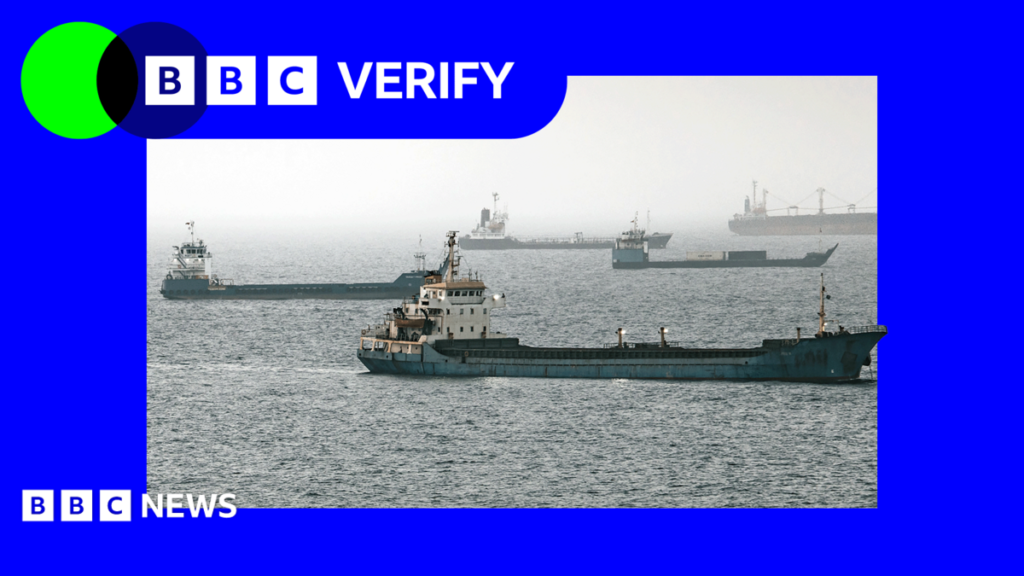
The United States and its Gulf allies, as well as governments in Europe and Asia, oppose this and say passage through the strait must return to the free and open nature it was before the conflict began.
After the agreement to end the war, the Iranian government established a lane system through the northern waterway near the Iranian coast, which it said all traffic must use.
“The only safe route for the passage of commercial ships and oil tankers in the strait is the route determined by the Islamic Republic of Iran,” Iran’s top military command, Khatam al-Anbiya Central Headquarters, reiterated after this week’s attacks on the ships.
After the agreement was signed, the JMIC recommended that the ships take a different route through Omani waters in the south of the strait.
The number of ships using this Omani route increased to a peak of 28 ships on June 25, Kpler data shows, surpassing the number of transits on the Iranian route.
Then, on June 25 and 27, two ships in Omani waters were attacked and Iran warned all ships to use only its approved routes.
President Donald Trump accused Iran of a “foolish violation” of its truce and the US military carried out attacks on Iranian targets.
Iran, in turn, accused the United States of violating their interim agreement and said it had attacked targets linked to American forces in the region.
The number of ships transiting the Omani route initially fell following the attacks, before continuing at a lower level than before.
Check back often for more exciting news!