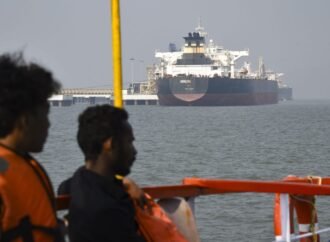
Oil exports from the Persian Gulf have largely recovered to their 2025 average levels, but oil prices remain stubbornly high. On Thursday, international benchmark Brent crude oil futures were trading around $97 a barrel after surging during the Iran war, when attacks on energy infrastructure and fears of disruption to shipping through the Strait of
US negotiators have not officially responded to Iran’s proposal to reopen the Strait of Hormuz, the country’s foreign minister said, despite President Donald Trump publicly rejecting the offer on Saturday. Trump told reporters at the White House that Iran’s proposal was not “acceptable” and that Tehran wanted to make a deal to open the strait
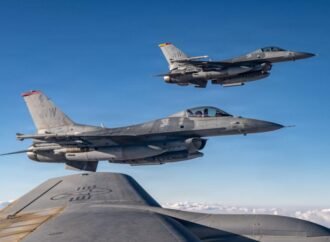
President Donald Trump signaled he’s in no hurry to make a deal with Iran and rejected Tehran’s latest proposal, as the U.S. military facilitates the transit of more oil through the Strait of Hormuz. The Islamic Republic had reportedly offered a seven-day ceasefire, during which it would fully reopen the strait and resume nuclear talks.
It’s been a busy week for Iranian diplomacy that may have come to nothing. Iran’s president and foreign minister visited New York for the U.N. gathering of world leaders and proposed a deal with the Trump administration that would end the fighting and open the Strait of Hormuz in seven days. That’s if the U.S.
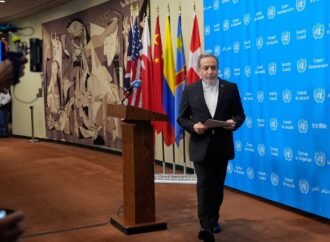
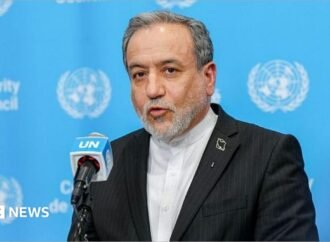
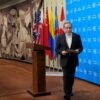
Iranian Foreign Minister Abbas Araghchi says his country has proposed a deal to the US that would see the Strait of Hormuz reopened within a week. Araghchi told reporters at the UN in New York that this could be done “if the necessary conditions are met” and said these were contained within the memorandum of
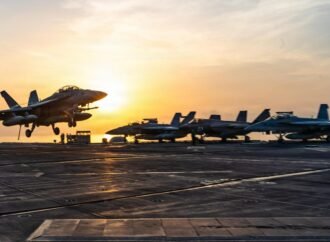
The U.S. naval blockade on Iran is already crushing its economy, and efforts to divert shipments over land are not providing much relief. Before the war, more than 80% of Iran’s trade tonnage transited by sea via southern ports, but that’s been closed off. U.S. Central Command said Sunday, it has redirected 109 commercial vessels