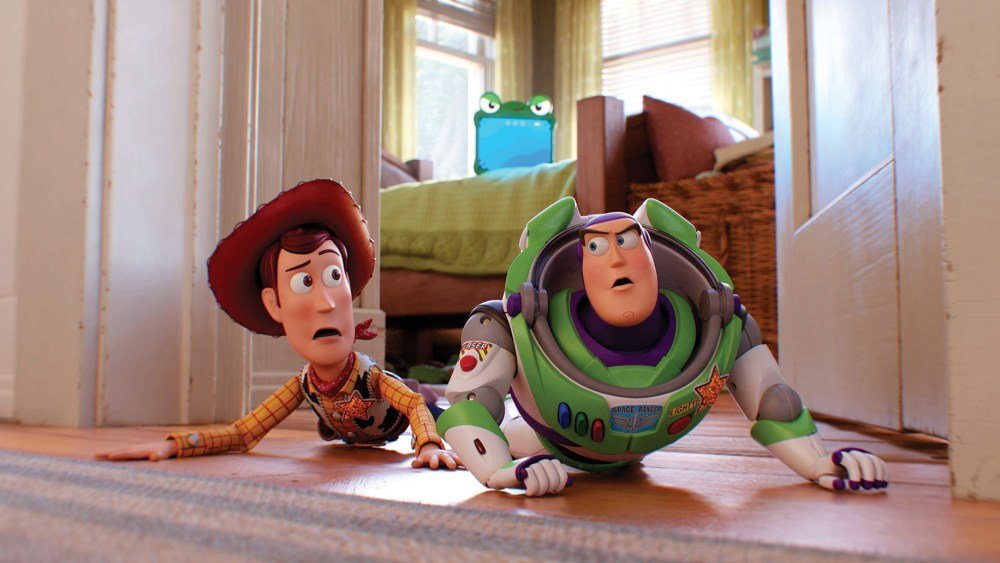
“Toy Story” helped launch Pixar when it premiered in 1995. More than 30 years and four films later, the family-friendly franchise has become a revenue-generating behemoth for the Walt Disney Company and the global economy. The series has added $51 billion to overall economic activity since its inception, according to a study Disney commissioned from
“Toy Story” helped launch Pixar when it premiered in 1995. More than 30 years and four films later, the family-friendly franchise has become a revenue-generating behemoth for the Walt Disney Company and the global economy. The series has added $51 billion to overall economic activity since its inception, according to a study Disney commissioned from Steward Redqueen, an independent impact advisory firm.
Much of that figure comes from consumer product sales, which Steward Redqueen said drive suppliers, retailers, small businesses and service providers. That includes everything from salaries to sales of clothing, dolls and games promoting “Toy Story” characters. It also takes into account income from transportation, tourism, manufacturing and public services related to watching movies, visiting theme park attractions and producing “Toy Story” products. The report comes as “Toy Story 5” has dominated the box office since its release in June, grossing more than $880 million worldwide. In addition to ticket sales, the series is also the most streamed franchise on Disney+.
In terms of direct economic impact for Disney, Buzz and Woody have generated $16.2 billion. That includes the sale of merchandise, movie tickets and home entertainment rentals. That figure is more than what it cost the company to buy all of Pixar, Marvel and Lucasfilm combined (Disney spent $15.4 billion to buy those brands).
“This is our number one animated franchise,” says Asad Ayaz, Disney’s chief brand officer. “I don’t think there are many other franchises that have been embraced by audiences and critics over three decades. People who were kids when the first movie came out are bringing their own kids to the new ‘Toy Story.'”
The study also analyzes the multigenerational impact of “Toy Story.” As Ayaz states, because the series has been a part of the culture for so long, Millennials, who grew up with the characters, have generated the greatest impact at 74%. Generation Z and Generation Alpha represent 19% and 7% of the economic impact, respectively.
Nearly $25 billion of the total economic impact occurred in the United States, Steward Redqueen reports, with California and Florida, where Disney has theme parks, as well as Texas, New York and Illinois, listed as the states enjoying the biggest benefits from the franchise. The company casts a wide net to capture those figures. Estimate sales margins for downstream suppliers, such as manufacturers, retailers, and other distributors. So, for example, it takes into account what movie theaters spend on popcorn vendors, allowing those vendors to also make a profit, pay taxes, and pay salaries.
Steward Redqueen said he analyzed consumer spending on the “Toy Story” franchise across movies, streaming, consumer products, parks, experiences and music to make his calculations. He then separated those figures in terms of their direct and indirect impact. Direct impact captured economic contributions generated directly by the franchise’s operations (such as economic contributions supported by the production of the films). The indirect impact includes the economic contributions supported by the franchise through its suppliers and business partners (distributors and retailers selling “Toy Story” products), as well as his respective suppliers. This is the first study of its kind that Disney has commissioned on one of its franchises.
With “Toy Story 5” topping the box office, it seems like a sixth film is inevitable.
“I’ll leave that to the Pixar team,” Ayaz says. “I hope there’s more. But the nice thing about Pixar is that they wait until they have a story worth telling to make another movie.”
Keep following us for the latest insights.