- Mars, Mars 2020, Perseverance (Rover), Planetary Science, SCIENCE, Science / Health, Science Mission Directorate, scientists, Space, Space Communications & Navigation Program, Space Launch System (SLS), Space Telescope, space-x-ipo, SpaceX
- September 21, 2026
When NASA’s Perseverance rover reached the inner edge of Mars’ Jezero Crater in September 2023, mission scientists were surprised by what they found. Called the “Margin Unit,” the geologic area stretches along the shoreline of an ancient Martian lake, so they expected sedimentary rocks, which would have formed as layers of sand piled on top
READ MORE- Asteroids, Craters, Earth's Moon, Goddard Space Flight Center, Lunar Reconnaissance Orbiter (LRO), Lunar Science, Missions, NASA Centers & Facilities, NASA Directorates, Planetary Environments & Atmospheres, Planetary Science, Planetary Science Division, SCIENCE, Science / Health, Science & Research, Science Mission Directorate, scientists, Space, Space Communications & Navigation Program, Space Launch System (SLS), Space Telescope, space-x-ipo, SpaceX, The Solar System
- September 16, 2026
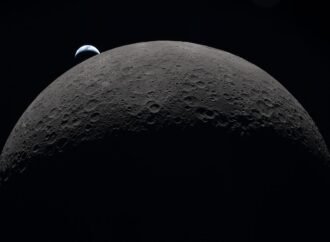
It started as a routine data-quality check. But as Robert Wagner, a scientist with NASA’s Lunar Reconnaissance Orbiter (LRO), scanned a giant Moon map on his computer screen, an unusually large bright spot circled by a dark halo caught his eye, as it implied that surface material in that area had been shaken up. “I
READ MORE- Earth's Moon, Goddard Space Flight Center, Planetary Science, SCIENCE, Science / Health, Science Mission Directorate, scientists, Space, Space Communications & Navigation Program, Space Launch System (SLS), Space Telescope, space-x-ipo, SpaceX, The Solar System
- September 15, 2026
In April, the world watched as four humans circled the Moon for the first time in over 50 years with NASA’s Artemis II mission. On Saturday, Sept. 19, the public is invited to look up again with NASA events across the country, including the International Observe the Moon Night celebration held at NASA’s Goddard Space
READ MORE