NASA Awards Contract for Johnson Space Center Infrastructure
- Johnson Space Center, NASA Centers & Facilities, SCIENCE
- May 30, 2026

To submit a request, visit NASA General Information Request Form and complete the form. You will receive an automated email with the most commonly requested grant status information. Important Instructions: Ensure you enter a valid email address, as replies will only be sent via email. The confirmation email may take a few minutes to arrive
READ MORE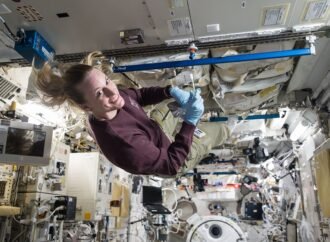
Lee esta historia en español aquí. Some of Earth’s microbes likely to hitch a ride to space with human explorers could survive in the shaded nooks and crannies of the Moon’s South Pole region, NASA scientists say. Published on Aug. 19, 2026, in Science Advances, these findings highlight a need to better understand microbial persistence
READ MORE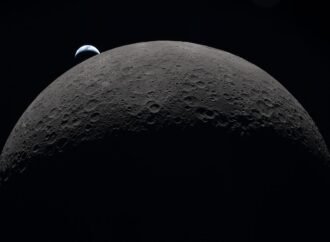
Between Aug. 11 and 12, NASA’s Lunar Reconnaissance Orbiter (LRO) captured a series of images of a new crater on the Moon. The crater formed on Aug. 5, when a SpaceX Falcon 9 upper stage impacted the surface following its January 2025 launch of the Firefly Blue Ghost 1 mission. To capture imagery of the
READ MORE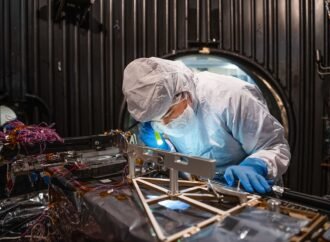
NASA has declared “wrenches down” on the first completed payload designed for Artemis astronauts to deploy on the Moon’s surface. Engineers working on NASA’s Lunar Environment Monitoring Station, or LEMS, have completed hardware development and testing and the payload is ready for its permanent home near the lunar South Pole. With the hardware complete, LEMS
READ MORE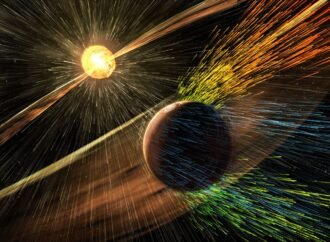
Scientists on NASA’s MAVEN (Mars Atmosphere and Volatile Evolution) mission have discovered a key piece of the puzzle in understanding certain types of auroras on Mars, discovering that they form similarly to terrestrial auroras.Results published Thursday in Nature Communications show that the same mechanism that circulates and catapults charged particles into Earth’s atmosphere is happening
READ MORE
NASA has selected seven companies to provide construction, revitalization, and infrastructure improvements at the agency’s Johnson Space Center in Houston. The Johnson Space Center Multiple Award Construction Contract supports up to $300 million in upgrades to mission‑support facilities, utilities, and equipment across the NASA Johnson campus. All funds must be obligated by Sept. 30, 2026.
READ MORE