All the big entertainment apps are starting to look the same and that’s no coincidence. For a decade, the platforms fought over who would dominate a single format: music, video, podcasts, audiobooks. Now, powered by AI, they’re fighting for something bigger: becoming the default app when you have free time, no matter what form the
All the big entertainment apps are starting to look the same and that’s no coincidence. For a decade, the platforms fought over who would dominate a single format: music, video, podcasts, audiobooks. Now, powered by AI, they’re fighting for something bigger: becoming the default app when you have free time, no matter what form the content takes.
There are several reasons why this is the case. The entertainment app market is reaching maturity, so growth has slowed, forcing companies to compete in terms of time spent and revenue per user rather than new subscriptions. Additionally, today’s creators often work in different formats, so it makes sense to offer a home for all of their content, not just some of it.
AI adds a third reason. It makes it easier for a single company to create and execute multiple formats well, and the broader the mix of content, the more time users spend in the app, which in turn generates revenue from advertising and subscriptions.
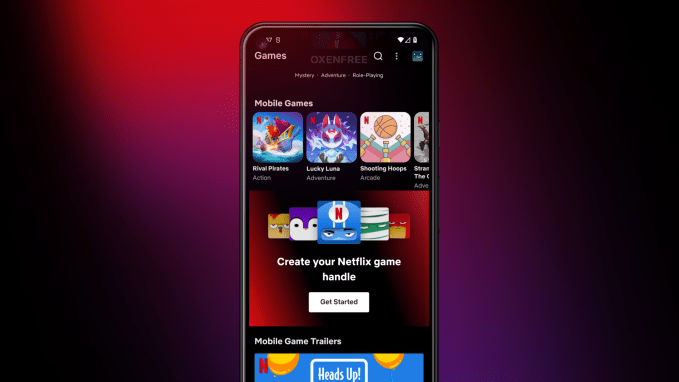
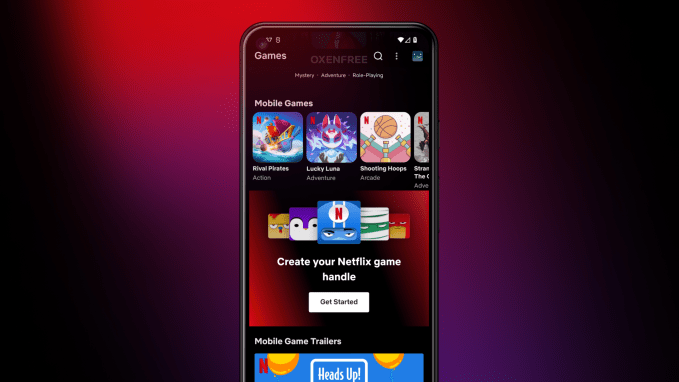
Netflix is a clear example of this trend, as in recent years the service has added games, live sports and other events and, more recently, short video clips and podcasts. The idea is to capture more of users’ time, even when there is no TV or a movie they want to watch, as well as find a way to take advantage of the small moments of free time that people usually occupy browsing social networks, playing casual games or watching TikTok or Reels.
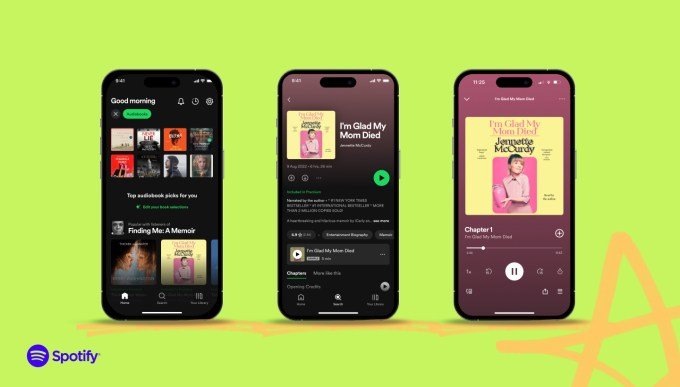
Spotify has also been expanding its presence beyond its original premise as a home for music streaming. After adding podcasts, the company added support for video podcasts, social features like
Questions and answers and comments, stories and messages, as well as different types of content such as fitness classes, audiobooks, narrated magazines and even physical book sales.
Meanwhile, YouTube, originally the home of longer-form creator content, pivoted to short-form content to compete with TikTok, while adding dedicated space for podcasts, gaming content, music, movies and TV, sports and news, shopping and more. Now you can watch movies and TV for free, supported by ads, stream live content, or rent or buy TV and movies to add to your library. At this rate, integrating YouTube TV and YouTube Music into YouTube itself (and selling tiered access to the entire package) seems a matter of when, not if.
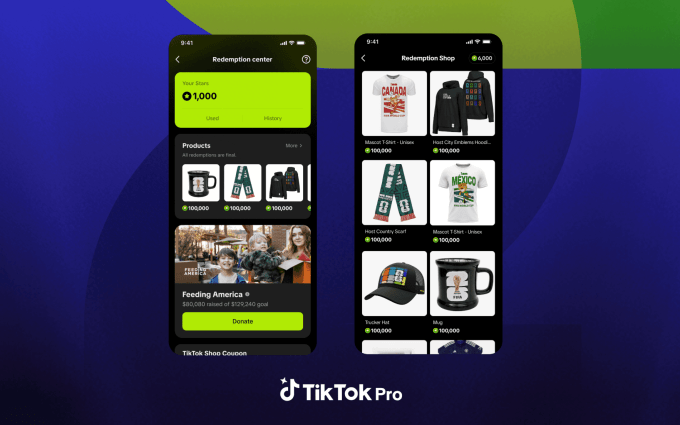
Even TikTok, widely known for its short videos, offers support for long-form content and other features such as trip planning, shopping, local exploration, purchasing tickets for live events, and more. It even has its own standalone app for microdramas and another one called TikTok Pro Events for sporting events, like the FIFA World Cup, as well as music festivals and more.
While there are still some differentiators between the services today, there is an obvious trend towards convergence on a similar set of features focused on giving users access to content to watch, listen to, play or buy.
This is also where AI comes into play. Since format is no longer a differentiator, the value these apps offer comes down to how well they connect users to what they want next.
The role of AI in building the entertainment operating system of the future
AI makes it easier to recommend content across all formats, improving personalization while giving users more direct control over how those recommendations are made.
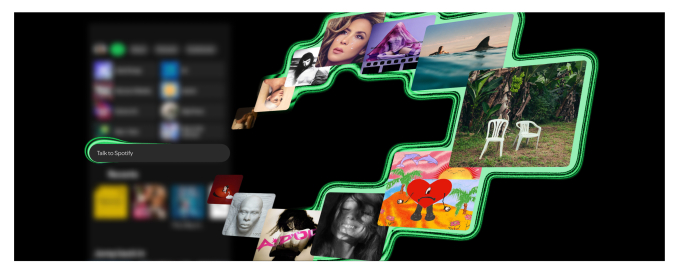
Spotify, for example, is testing a tool that will let you edit your taste profile, its AI-created preference model. It is also creating AI features that allow users to chat with AI directly about what they want or create playlists of things they like, and not just music.
Netflix has filed a similar case. Co-CEO Greg Peters told investors on the company’s first-quarter call that new model architectures are improving customization and allowing the team to iterate faster.
AI-assisted coding is also accelerating how quickly these companies can create and launch new areas of content in the first place.
Additionally, generative AI can be used for content creation, although the topic remains controversial as artists worry that AI tools will use their work for training purposes or even put them out of work. Netflix, for better or worse, has leaned into AI, having recently purchased Ben Affleck’s AI film company for $587 million, for example.
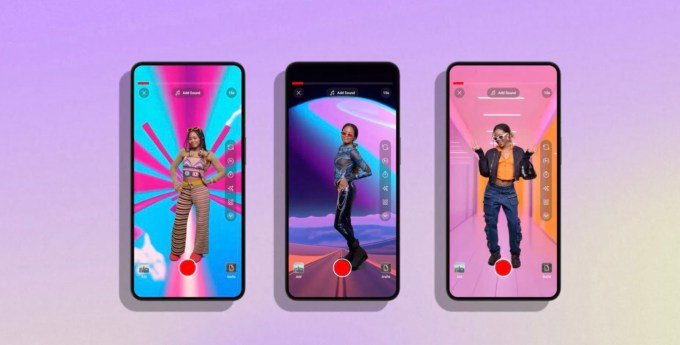
YouTube has used generative AI to launch more tools for creators, but also to improve its search engine, add conversational AI features, create playlists, and expand the reach of its content with automatic dubbing, among other things. Earlier this year, the company said more than one million channels used its AI creation tools and 20 million consumers used its Gemini AI-powered content discovery tool in the month of December.
Alphabet CEO Sundar Pichai has called AI central to the YouTube experience for both creators and viewers.
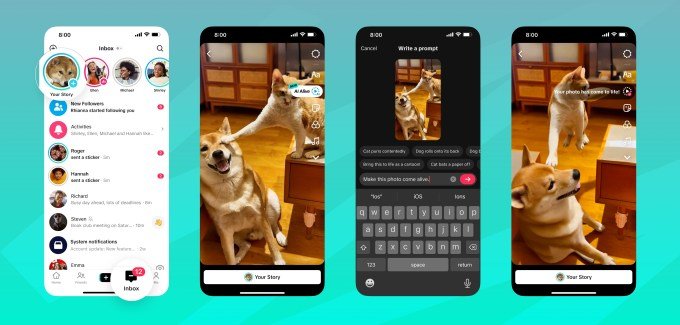
TikTok has created its own version, with an in-app AI chatbot, AI video creation tools, AI-powered searches and recommendations, and AI-powered accessibility features.
Of course, all four are also applying AI to their ad stacks, helping marketers write ads, target audiences, price placement, and measure results.
For consumers, this convergence means fewer reasons to switch apps. Whichever one you choose you’ll get an advantage (more data on your habits, more blocking), making it harder to abandon even if prices go up or quality goes down.
As the lines between music, video, podcasts, books and games blur, the battle ahead is no longer which format will win, but which app will become the go-to place for entertainment, regardless of what form it comes in.
When you buy through links in our articles, we may earn a small commission. This does not affect our editorial independence.
Check back often for more exciting news!