
America’s rapidly growing fleet of electric vehicles could become an unexpected source of electricity storage as the country races to meet growing demand for AI energy. That’s according to Redwood Materials, a startup founded by former Tesla CTO JB Straubel, which now recycles more than 70% of all batteries in North America. With millions of
America’s rapidly growing fleet of electric vehicles could become an unexpected source of electricity storage as the country races to meet growing demand for AI energy.
That’s according to Redwood Materials, a startup founded by former Tesla CTO JB Straubel, which now recycles more than 70% of all batteries in North America.
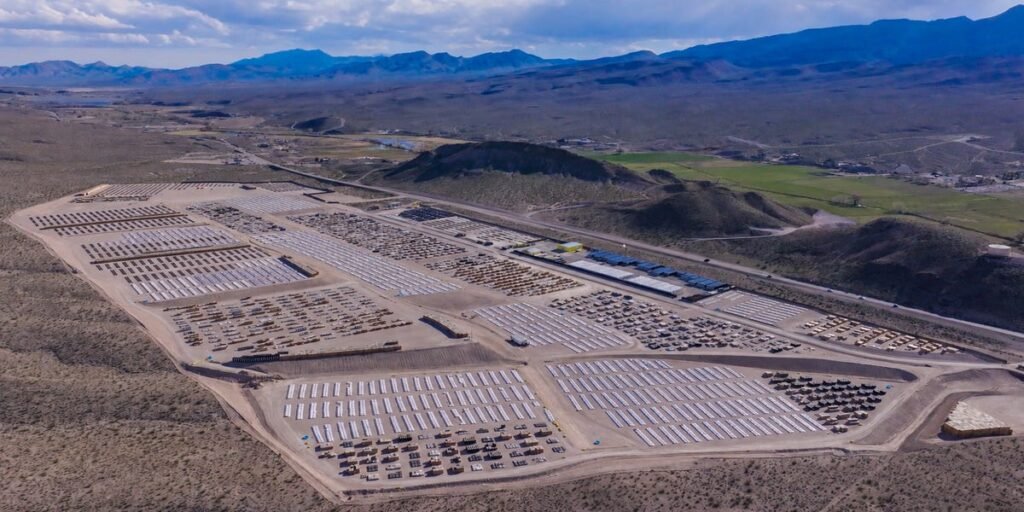
With millions of electric vehicle batteries reaching the end of their useful lives over the next decade and beyond, Redwood has adapted its business to reuse many of these batteries to store electricity for the power grid, factories and AI data centers rather than immediately recycling them.
The proposal comes as demand for electricity is rising after years of relatively flat growth. AI data centers, the return of factories to the United States and a broader shift toward electrification are putting increasing pressure on the American grid. Redwood cited projections that AI data centers alone could consume 12% of US electricity by 2028.
Meeting that demand has proven difficult because building new transmission lines and other grid infrastructure takes many years. Large battery storage systems can help balance electricity supply and demand while utilities wait for new infrastructure to come online.
Redwood maintains that an overlooked source of those batteries is already on American roads.
More than 6 million electric vehicles have been sold in the United States over the last decade. As those vehicles age, many of their battery packs will no longer provide enough range for the cars, but they could still have years of life storing electricity.
Redwood estimates that about 1 terawatt-hour, or 1,000 gigawatt-hours, of used electric vehicle battery capacity will be available in the U.S. by 2040. Starting in the early 2030s, those second-life batteries could supply about half of the country’s energy storage demand during that period, the company estimates. And its goal is to provide about 400 gigawatt-hours of this supply.
The company said it is developing technology that allows battery packs from more than 100 different models of electric vehicles to be combined into standardized energy storage systems. Batteries that cannot be safely reused would be recycled to recover valuable materials such as lithium, copper and rare earth minerals.
Redwood said the approach could create lower-cost energy storage while keeping battery materials within U.S. supply chains.
If successful, the strategy would turn aging electric vehicle batteries from a recycling challenge into an energy asset at a time when reliable electricity is becoming one of the biggest constraints to America’s AI ambitions.
Subscribe to BI’s Tech Memo newsletter here. Contact me by email at abarr@businessinsider.com.