As NASA returns humans to the lunar surface and establishes a long-term presence on our closest celestial neighbor, the agency and commercial human landing system providers Blue Origin and SpaceX have streamlined the designs and changed both concepts of operations for its future crewed landers. Since NASA established initial contracts with Blue Origin and SpaceX
Members of the media are invited to join NASA at the 2026 von Braun Space Exploration Symposium from Monday, Oct. 26, to Wednesday, Oct. 28, at the University of Alabama in Huntsville. This year’s symposium is focused on humanity’s return to the Moon, sustainable lunar infrastructure, advanced space propulsion, and the evolving space workforce. Panels
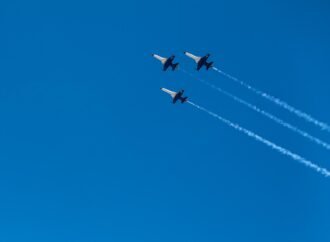
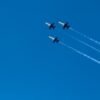
As part of the agency’s Inspiration Tour, NASA will conduct a flyover at the University of Alabama vs. Texas A&M football game in Tuscaloosa, Alabama, on Saturday, Oct. 24. NASA Administrator Jared Isaacman will pilot one of three F-5 fighter jets during the flyover, highlighting NASA’s contributions to aeronautics and the agency’s continued commitment to
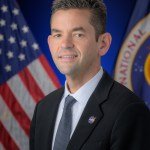
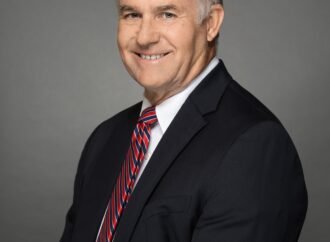
NASA Administrator Jared Isaacman has named Stephen Cash director of the agency’s Marshall Space Flight Center in Huntsville, Alabama, effective Monday, Oct. 19. Cash, a veteran NASA engineer and aerospace executive, returns to lead the center where he began his career more than four decades ago. “Marshall contributions to NASA’s missions are historic and it’s
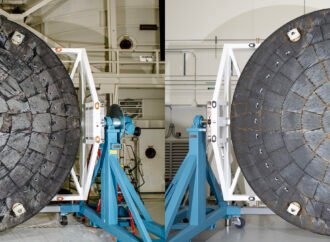
NASA’s Artemis II mission sent four astronauts around the Moon and brought them safely back to Earth, laying a foundation for crewed flights to the Moon’s surface. Additional engineering data analysis of the Orion spacecraft’s heat shield confirmed initial data showing the heat shield performed as expected. In particular, NASA measured whether the thermal protection
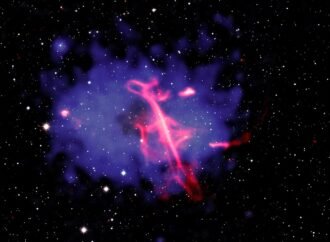
Astronomers have used NASA’s Chandra X-ray Observatory to break down the cause of a remarkable formation of radio waves they have nicknamed the “Treble Clef” because its distinct shape strongly resembles the musical symbol. The researchers discovered the Treble Clef is likely caused by an outburst from a supermassive black hole, followed by a collision