Pakistan’s Gateway to Global News, Tech Updates, and Emerging AI Trends.
SCIENCE
- Home
- SCIENCE

NASA Explores Potential Commercial Servicing for Hubble Telescope – NASA Science0
- Astrophysics, Astrophysics Division, Goddard Space Flight Center, Hubble Space Telescope, SCIENCE, Science / Health, Science Mission Directorate, scientists, Space, Space Communications & Navigation Program, Space Launch System (SLS), Space Telescope, space-x-ipo, SpaceX, The Universe
- October 30, 2026
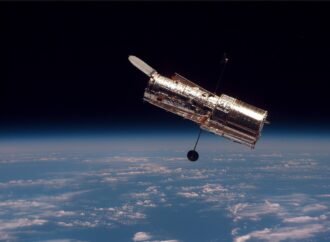
NASA issued a Request for Information Oct. 29 to learn more about industry capabilities for in-space servicing to support the agency’s Hubble Space Telescope. “Hubble still has important science ahead of it, and we should be looking at every reasonable opportunity to keep it delivering for as long as possible,” said NASA Administrator Jared Isaacman.
READ MORENASA’s James Webb Space Telescope Captures Eerie Cat’s Head – NASA0
- Nebulae, SCIENCE, Science / Health, Science Mission Directorate, scientists, Space, Space Communications & Navigation Program, Space Launch System (SLS), Space Telescope, space-x-ipo, SpaceX
- October 30, 2026
Intricate structures within the Cat’s Head Nebula are illuminated in this mid-infrared view from NASA’s James Webb Space Telescope released on Oct. 29, 2026. The distinctive “cat’s head” shape of the nebula was likely sculpted over time by the intense ultraviolet radiation and winds from massive stars in the Carina Nebula. As this stellar feedback
READ MOREWorld War II’s baby gas masks are as unnerving as you’d imagine0
- Diseases, HEALTH, Military, SCIENCE, Science / Health, Science Mission Directorate, scientists, Space, Space Communications & Navigation Program, Space Launch System (SLS), Space Telescope, space-x-ipo, SpaceX, Technology
- October 30, 2026
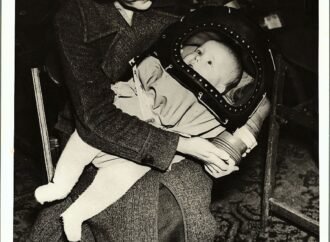
Time forgets the vast majority of inventions—usually for good reason. As parents and children everywhere get ready for trick-or-treating, we’d like to turn your attention to one such invention: the baby gas mask. In the November 1938 issue of Popular Science, “a doll demonstrates the use of the baby gas mask” in an undeniably creepy
READ MORE

Why your favorite candy tastes different now0
- Ask Us Anything, Engineering, Food Safety, HEALTH, Nutrition, SCIENCE, Science / Health, Science Mission Directorate, scientists, Space, Space Communications & Navigation Program, Space Launch System (SLS), Space Telescope, space-x-ipo, SpaceX, Technology
- October 30, 2026
It’s candy—I mean, Halloween—season. But, I mean, let’s be real: The two are kind of interchangeable at this point. But have you ever bitten into your favorite candy bar only to think, “This really doesn’t taste the way it used to?” Well, it turns out, you might be onto something. Candy companies really do sneakily
READ MORENovember’s Night Sky Notes: Light-Day Away – NASA Science0
- Night Sky Network, SCIENCE, Science / Health, Science Mission Directorate, scientists, Space, Space Communications & Navigation Program, Space Launch System (SLS), Space Telescope, space-x-ipo, SpaceX
- October 30, 2026
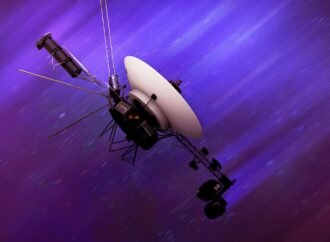
In 1977, NASA launched twin spacecraft Voyager 1 and 2, taking advantage of a once-every-175-year planetary alignment of the four largest planets in our solar system: Jupiter, Saturn, Uranus, and Neptune. Using six gravity assists between them, this Grand Tour gave us up-close views of the gas and ice giants, including several moons. By the
READ MOREMIT develops robot that slithers through intestines like a snake0
- Biology, Diseases, Engineering, HEALTH, Robots, SCIENCE, Science / Health, Science Mission Directorate, scientists, Space, Space Communications & Navigation Program, Space Launch System (SLS), Space Telescope, space-x-ipo, SpaceX, Technology
- October 30, 2026
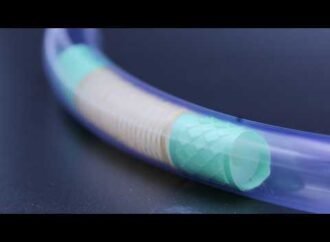
Worms are usually the last thing someone wants in their gut. Just ask this unfortunate Alaskan bear recently spotted with several multi-foot long tapeworms hanging out of its butt. However, a new type of gut-crawling worm being designed by engineers at the Massachusetts Institute of Technology (MIT), may actually be here to help. Their soft
READ MORE