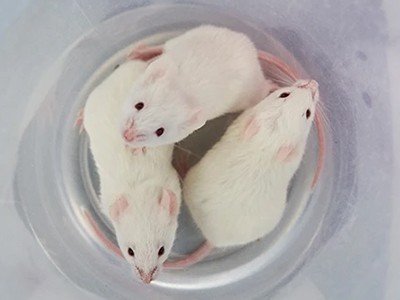
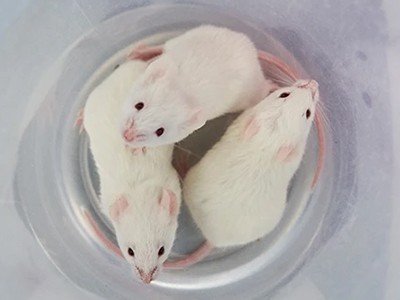
the problem Dear Nature, I’m a PhD student whose research involves euthanizing healthy mice, usually via cervical dislocation, which basically means breaking the animals’ necks as quickly and painlessly as possible. I love my field and knew that working with animals would be part of my job when I started my PhD. I try to
the advice
Animal research is often misunderstood and stigmatized by the public, fueling a vicious cycle of secrecy in science. This can put additional stress on early career researchers, who already face great pressure and uncertainty in their working lives. A 2021 Spanish study identified doctoral students as a vulnerable group; had the lowest scores for quality of professional life among six categories of people who work with laboratory animals1. The groups were made up of technicians, care staff, veterinarians and various types of researchers, and the study compared their responses about working with animals.
Nature I spoke with three scientists who offered tips for taking care of yourself, your career, and your animals.
Connect with others
Many researchers who work with animals have similar experiences, especially when they are starting out, says Fernando González-Uarquín, a postdoctoral researcher at the Mainz University Medical Center in Germany. He can relate, having worked with rats as a master’s student in Colombia and with chickens as a doctoral student in Germany. Your reactions are valid, he emphasizes.
Plus, you’re not the only one who feels alone. “The difficulty in openly discussing these feelings is also a systemic issue,” observes María Laura Gutiérrez, a biologist at the National Scientific and Technical Research Council of Argentina (CONICET) in Buenos Aires. “In many research settings, there is still a culture that discourages vulnerability, particularly around animal testing. This can lead to isolation and prevent researchers from seeking the support they need.”
So the problem is with the research environment, not with you. “When students are made fun of for showing emotions about animal research, that reflects a problem with the culture of research,” González-Uarquín says.
The era of animal experiments is waning. Where will science go next?
Ideally, you should be able to share your feelings with your principal investigator, but that is not always possible. In a study by González-Uarquín and colleagues, about a quarter of beginning animal handling researchers surveyed in Germany reported poor communication with their supervisors.2. “One of the most important factors is communication within the entire research group,” emphasizes González-Uarquín. Otherwise, researchers “tend to internalize the stress.”
If necessary, you may be able to find mentors outside your formal relationship with your principal investigator, perhaps among other doctoral students, says Heather Hersh, a clinical psychologist and wellness coach in Philadelphia, Pennsylvania, who leads workshops for early-career researchers involved in animal research.
In addition to connecting with others, it is important to participate in training opportunities when they are available. “Training in animal research is one of the most effective ways to reduce stress and improve communication” and confidence, González-Uarquín has discovered.
Take care of yourself
When Hersh hosts workshops for professionals who work with laboratory animals, sometimes his first step is to educate participants about compassion fatigue—increased stress resulting from overexposure to a person’s or animal’s distress and pain—which is common among healthcare professionals.3 and people who work with laboratory animals.
There are many possible symptoms of compassion fatigue, which can manifest as physical, psychological, and behavioral changes. These can include exhaustion, anger, and headaches.4. To recognize your personal baseline, Hersh recommends using the Professional Quality of Life (ProQOL) tool, a quick, freely accessible questionnaire.
Self-assessment is helpful, but to guard against compassion fatigue, Hersh says another crucial tool is self-care. “If you don’t take good care of yourself, you won’t be able to take good care of the animal and do this good job,” he says. This can also help you achieve your goal of continuing to do the work you love. “Practicing good self-care is imperative to staying in a field for the long term, to recognizing that it is a marathon and not a sprint.”
General self-care practices include getting enough sleep, eating well, exercising, connecting with others, and engaging in spiritual or religious practices, if appropriate. Hersh highlights the importance of disconnecting from work to recharge your batteries, both on a daily basis and on vacation. You recognize that the days when you have to sacrifice more mice than usual are causing you distress, so be especially careful on those days.
Hersh says professional mental health support could also be helpful, ideally from a provider with a good understanding of compassion fatigue. Even if your university doesn’t offer easily accessible mental health support, you may be able to connect students with community therapists. Health insurance or public health organizations may also be able to provide support.
Leave room for a variety of feelings.
Keep following us for the latest insights.