Most people experience constipation at some point in their lives. For astronauts, it’s a common occurrence. The problem is that no one knew exactly why. Now, science seems to have figured out the No. 1 reason why astronauts have problems going No. 2 in space. Research dating back nearly three decades has explored the effects
Most people experience constipation at some point in their lives. For astronauts, it’s a common occurrence. The problem is that no one knew exactly why. Now, science seems to have figured out the No. 1 reason why astronauts have problems going No. 2 in space.
Research dating back nearly three decades has explored the effects of low- or zero-gravity environments on human digestion. A new study published in Nature by researchers at the University of Copenhagen working in tandem with NASA suggests that because astronauts spend so much time in microgravity, this state of near weightlessness causes food to move more slowly through the gut.
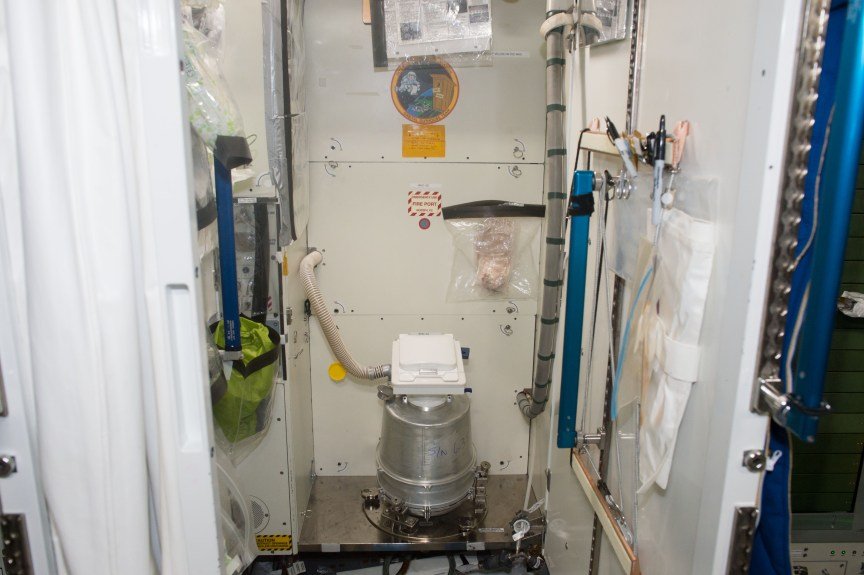
To carry out the study, researchers took samples from 52 astronauts who had spent months aboard the International Space Station. They found that time in space significantly affected their gut microbiomes, likely leading to constipation and other gastrointestinal problems.
Here’s how it works. The gut microbiome generally breaks down carbohydrates and fiber first as its main energy source. Without gravity, however, food moves much more slowly through an astronaut’s digestive tract. This delay causes gut microbes to finish all available carbohydrates early and switch to fermenting protein for energy instead. This protein fermentation releases specific compounds into the bloodstream — that’s what allowed researchers to prove that a lack of gut-accessible carbs leads to slower bowel movements.
“We see changes in astronauts’ blood samples that indicate that the gut bacteria begin to ferment protein to a greater extent than usual within weeks after the astronauts arrive in space, and this change continues until they are back on Earth,” Giorgia La Barbera, one of the authors of the study and an associate professor in the Department of Nutrition, Exercise and Sports at the University of Copenhagen, said in a statement.
A solution to the digestion traffic jam
While astronauts may be reaching for the stars, their digestive systems are firmly grounded in the laws of gravity.
Researchers say that a potential solution for off-planet travel is a diet richer in “slow-fermented carbohydrates.” These carbs take longer for the body to process, giving astronauts’ gut biomes something to chew on, figuratively and literally, as the material moves through the intestines.
”Eating whole foods, rich in dietary fiber, such as vegetables, lentils and nuts, would be important to keep the gut motility up to speed and to provide additional substrates for the bacteria during space missions,” Henrik Roager, study co-author and associate professor at the University of Copenhagen, said in an email. “This way, the gut microbes would be kept busy fermenting dietary fiber instead of protein.”
Roager also says that “supplementation with prebiotics” and other treatments may also help decrease gut transit time, thereby helping astronauts avoid constipation.
If the prescription sounds familiar, that’s because it’s also the recommended course of action for avoiding constipation here on Earth. Doctors regularly tell patients to drink more water and eat more fiber. Diets low in fiber cause stool to move more slowly in one’s digestive tract, even with gravity assistance.
Since these results are linked to both terrestrial and space life, the study’s findings may be helpful in other areas as well, such as with bedridden patients suffering from chronic disease who also experience constipation, Lars Ove Dragsted, another author of the study, said in a statement.
Houston, we have a bowel movement
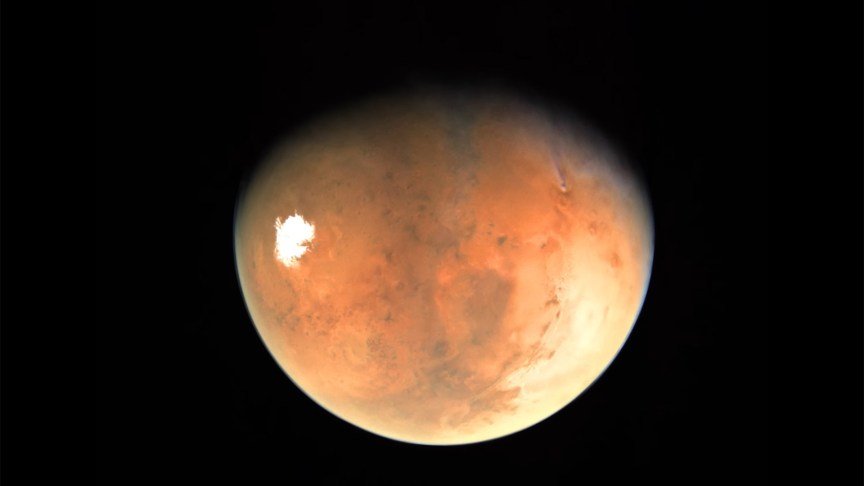
Issues like constipation may seem mild in the grand scheme of things, but they’re among the many that NASA and other space agencies need to solve before sending astronauts on much longer voyages — like when humans eventually go to Mars.
The problem is twofold. It’s no secret that constipation is a major pain in the butt. Irregularity leads to bloating, pain, cramping, and in some cases, hemorrhoids and other short-term symptoms, which astronauts already deal with on the ISS during their months-long stays.
But there are long-term consequences to worry about as well. Potential long-term issues include heart disease, chronic kidney disease and other health effects like an increased risk of colorectal cancer and possibly also inflammatory bowel disease. A mission to Mars without a solution to constipation would put astronauts at risk of developing these additional complications.
“Whether constipation is also linked to mental health is not clear, but some of the molecules that we found to be increased among astronauts during space missions have been linked to increased anxiety and stress in animal models, so that is another potential concern,” Roager said.
NASA seems amenable to making dietary changes. “We are always looking at diet and health, working to use nutrition as a means to mitigate negative effects of spaceflight on crew health and performance,” said Scott M. Smith, manager for nutritional biochemistry at NASA. “The findings in this recent paper are intriguing, and we will continue to look at this and make recommendations where appropriate.”
It’s all a reminder that gravity keeps our bodies moving in the right direction.
For more tech updates, stay tuned to our blog.