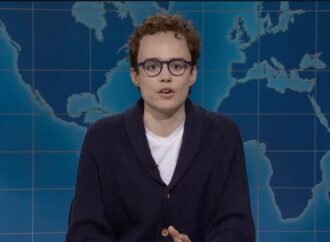
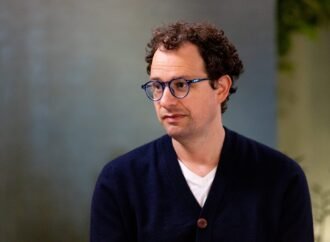
Saturday Night Live took on the AI industry’s recent warnings of doom last night, as cast member Jane Wickline offered her impression of Anthropic CEO Dario Amodei. Weekend Update host Michael Che — who sounded a little uncertain about how to pronounce Amodei’s last name — kicked the segment off by describing the CEO as
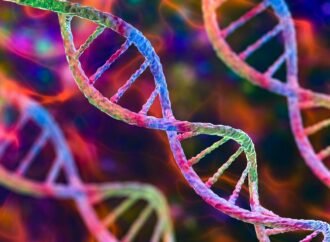
AI agents trawling through genomic data spotted sequences of DNA (artist’s illustration) reminiscent of those in bacterial CRISPR immune systems. Credit: Kateryna Kon/SPL/Getty Sure, AI can parse petabytes of data. But how well can it pipette? Regardless of the answer, artificial intelligence titan Anthropic has launched a biology ‘wet lab’ where human scientists and AI
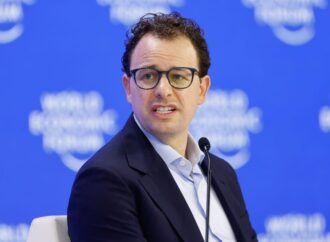
Dario Amodei’s plans to put third-party safety evaluators inside AI labs are taking shape: Anthropic said that staff from technology consulting giant Accenture will begin working inside the company to scrutinize its models and staff. In a blog post, Anthropic said that Faculty, a company Accenture acquired in January to act as its AI division,
Welcome to the AI era, where job postings are getting more niche — and more interdisciplinary. Anthropic recently posted a remote-friendly “Staff Software Engineer” role for its GTM AI Engineering, or “Claudification” team. The pay range is from $320,000 to $405,000, which the post said includes both the sales commission target and annual base salary
Welcome to Eye on AI. Beatrice Nolan here. In today’s issue: Anthropic examines the economic impact of AI. U.S. accuses Chinese AI firms of industrial-scale model copying. Meta launches its AI agent, Muse. And the amount businesses spend on AI is falling. Anthropic has three very different visions for the impact AI will have on
At Anthropic, Kristen Swanson’s role is to help people get better at using AI. Often, that means knowing when they should do the work themselves. “I have a job teaching people how to use AI, and I probably spend at least half of my time telling people when not to use AI,” said Swanson, who