Anthropic’s new watermark for AI-generated text struck a nerve for some Claude users — but did Europe’s laws require it to go as far as it did? A Business Insider review of the law, supported by interviews with AI and policy experts, suggests Anthropic’s approach may go beyond what the EU requires. Under the European
As AI models have become more powerful, the potential for those models to be misused has grown — as has a clamor for safety guardrails that can stop such abuse from happening. AI companies must now walk a delicate tight rope between respecting their enterprise customers’ privacy while also watching usage for possible issues. Sensing
Within four hours of Anthropic confirming that Claude models would globally embed invisible, machine-readable watermarks into any AI-generated content, developer Guillaume Meyer had published his override. His code to remove watermarks from Claude-generated text has since gone viral on GitHub, has been bookmarked more than 20,000 times on X, and has drawn more than 100
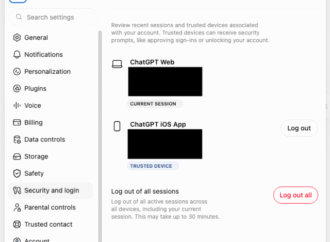
Just like any other online service, hackers can target and break into your accounts on popular AI platforms such as ChatGPT, Claude, and Perplexity. TechCrunch has created a comprehensive guide to help you protect yourself if you suspect someone has broken into your account on one of the internet’s most popular platforms, social networks, or
Anthropic published a blog post Friday seeking to answer some basic questions about how it will watermark the text generated by its chatbot Claude. Such as: How will the watermarking actually work? Can it be hidden with editing? And how does this affect code? Claude users have been debating the move since the company revealed
Anthropic’s move to watermark Claude-generated text is driving some users away from its AI assistant. The AI lab said this week that some versions of Claude will embed an “imperceptible watermark” directly into their text output. It will travel with the content when it is copied and pasted and may survive some editing, Anthropic said,