VIDEO REVIEW: Tesla Model Y L: The 6-seater variant of the popular electric SUV arrives in Australia
- AI, ai coding assistant, AI regulation, Artificial Intelligence, openai, Reviews, Tech, Technology, Tesla, Vehicles
- March 29, 2026


In a late-night blog post last Friday, OpenAI said it would wind down its partnership with Cursor, the startup behind one of the most popular AI coding tools on the market. The reason OpenAI gave for the decision is effectively that it can’t trust Elon Musk, whose company SpaceX recently acquired Cursor in a $60
READ MORE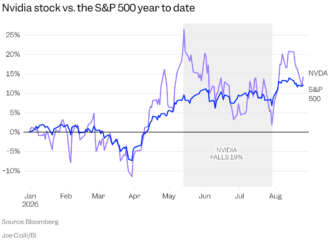
Nvidia will officially cap off tech earnings season today after the closing bell. It’s been a tumultuous several weeks for the AI trade and mega-cap tech more broadly, with investors reacting sharply to results on both ends of the spectrum. On one side you had Alphabet and Tesla, which drew investor ire after ramping up
READ MORE
Phillip Grant is feeling optimistic. He thinks he’s the best man to operate Mayor Zohran Mamdani’s city-run supermarkets. Along with being a former city economic development executive and construction entrepreneur, he’s a New Yorker who’s shocked that an orange costs $2 at his local gas station. We’re walking the perimeter of a vacant city-owned lot
READ MORE
Elon Musk isn’t over Delta Air Lines choosing a rival in-flight WiFi provider instead of Starlink. After some X users posted about choosing to book with United Airlines over Delta due to its Starlink internet, Musk said on Wednesday, “I warned them. It will get much worse.” It comes after Musk said Delta would “lose
READ MORE
As AI models have become more powerful, the potential for those models to be misused has grown — as has a clamor for safety guardrails that can stop such abuse from happening. AI companies must now walk a delicate tight rope between respecting their enterprise customers’ privacy while also watching usage for possible issues. Sensing
READ MORE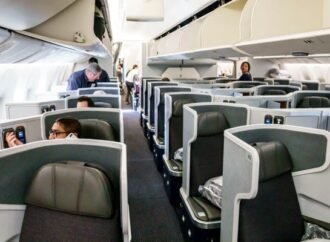
For years, American Airlines bet that travelers would rather watch in-flight movies on their own phones or tablets. No more. On Tuesday, the airline said it plans to install seatback entertainment screens on around 800 single-aisle jets. New Airbus and Boeing jets with the screens will begin arriving in 2028, with retrofits on its existing
READ MORE