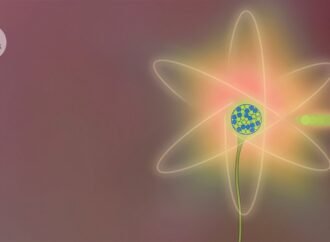
Few scientific phenomena have been associated with such an eerie blend of menace and promise as nuclear fission. Within seven years of the discovery of fission, in which a heavy atomic nucleus is split into smaller fragments to release energy, the world watched as the United States used it to destroy two Japanese cities. Less
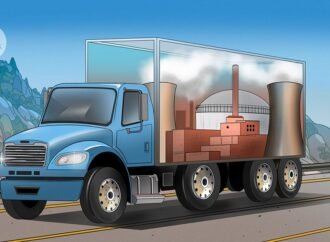
Imagine a nuclear reactor that is small enough to be transported on an aeroplane or inside a shipping container, and loaded with ten years’ worth of fuel. This kind of microreactor, say its proponents, could be shipped straight from factories to remote areas where electricity is expensive, such as rural Alaska and remote mining sites,
The Blumstein research group’s unconventional OnlyFans account is helping to support marmot research. Credit: Laura Green, Jakub Porzycki/NurPhoto via Getty As an evolutionary ecologist at the University of California, Los Angeles (UCLA), Daniel Blumstein never expected to open an OnlyFans account to earn money. But in June, Blumstein and his team — which conducts long-term
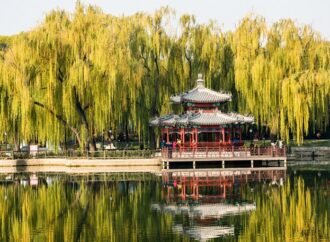
Weeping willow trees are found in many cities globally.Credit: avada/Alamy Across Beijing, millions of weeping willows and poplar trees turn the megacity into a green metropolis. But compounds released by these trees are becoming a major contributor to air pollution1, finds a study. Beijing is not alone. Many trees planted in urban areas — species
Activists in San Marcos, Texas, protested against proposed data centres that would power artificial-intelligence systems.Credit: Sara Diggins/The Austin American-Statesman via Getty As public opposition grows against the soaring energy and water demands of data centres powering the artificial-intelligence boom, some technology companies are talking about putting these facilities in space. For instance, businessman Elon Musk’s
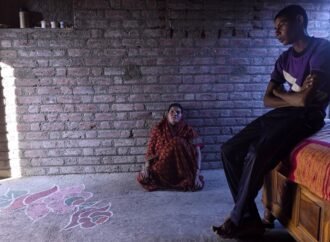
The families of farmers are left bereft after relatives poison themselves with hazardous pesticides.Credit: Anshuman Poyrekar/Hindustan Times via Getty Mental health is central to global health and sustainable development. It is shaped both by individual experiences and by access to services, and by broader societal and environmental factors. Laws, policies, governance systems and institutions influence