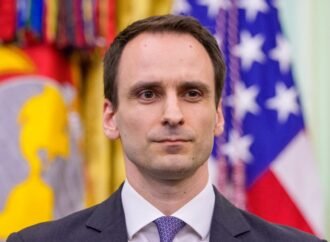
There’s a simple solution for AI companies that feel like their models are developing at a frightening speed: Hit the brakes. That’s the advice Michael Kratsios, the director of the White House Office of Science and Technology Policy, gave during an interview with Fox News Sunday. “It’s very interesting that they talk about these issues,
Beth Barnes, one of the AI industry’s most influential watchdogs, said in July she was struggling to hire talented researchers to monitor AI’s risks. That has begun to change. Researcher Joe Benton announced this week that he had left Anthropic for Barnes’ nonprofit METR, writing that he worries about “extinction-level risks” from the tech. The
Hugging Face CEO Clement Delangue questioned the focus on a former Anthropic researcher who said AI workers privately fear the technology could kill all humans. “Sorry, but asking Jacob about AI extinction risk is like asking your AC guy about climate change,” Delangue wrote on X on Friday. Delangue said that Jacob Coxon, the former
OpenAI is at the center of another agent swarm incident. Researchers say the company’s internally deployed agents took over an obscure German-language wiki in May and June, using it to coordinate on evaluations and swap methods to evade OpenAI’s own controls (OpenAI has not yet confirmed the swarm came from the company). The revelation surfaces
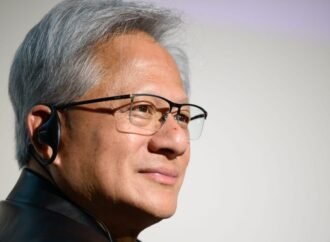
Nvidia has been in talks to acquire Hugging Face, the popular AI platform for sharing and building with open-source models, in what could be one of the chip giant’s biggest deals yet. The two parties have had acquisition conversations in recent weeks about a deal that would value Hugging Face at more than $13 billion,
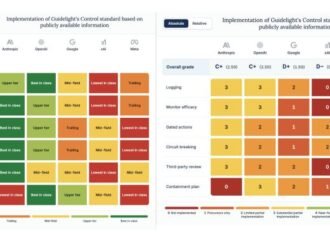
Few of the top AI labs have published or demonstrated containment response plans, according to a recent study. A containment plan spells out what happens once an AI is caught trying to subvert human control — what access gets cut, and when the system gets shut down entirely. That’s the finding from Guidelight AI Standards,