When it comes to Chinese AI labs using distillation techniques to extract knowledge from frontier model makers, Y Combinator CEO Garry Tan is hoping regulators stay out of it. In fact, he thinks U.S. AI labs should perhaps play the same game. “I would do nothing,” he told CNBC in an interview earlier this week.
Listen Labs, a market research startup that uses voice AI to conduct customer interviews, recently signed a term sheet for a $125 million Series C at a $1.5 billion valuation, with Menlo Ventures set to lead the round, according to several people with knowledge of the matter. But that round never closed, the people said.
Days after releasing a new, highly capable model, OpenAI’s chief scientist is calling for a slowdown. In a lengthy blog post on Sunday, Jakub Pachocki said he was concerned that “no one is prepared for the consequences of a continued rapid rise in machine intelligence.” He said that although OpenAI is pursuing internal technical solutions
Artificial-intelligence models can be used for tasks ranging from coding to taking meeting notes, depending on a laboratory’s requirements. Credit: da-kuk/Getty As artificial intelligence pervades scientific research, journals, institutions and classrooms are all adopting their own rules on how to use large language models. But how can individual laboratories decide on the best ways to
Imagine a factory where all the equipment is powered by AI, where robotic arms and assembly lines can “communicate” with their own shared language. Or picture a science lab, where microscopes can autonomously search for a certain type of molecule—all hours of the day, no humans necessary. That’s the idea behind Anthropic new Model Hardware
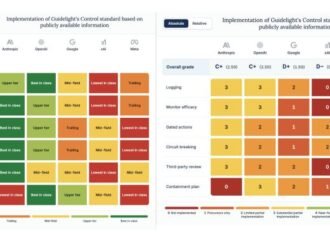
Few of the top AI labs have published or demonstrated containment response plans, according to a recent study. A containment plan spells out what happens once an AI is caught trying to subvert human control — what access gets cut, and when the system gets shut down entirely. That’s the finding from Guidelight AI Standards,