VIDEO REVIEW: Tesla Model Y L: The 6-seater variant of the popular electric SUV arrives in Australia
- AI, ai coding assistant, AI regulation, Artificial Intelligence, openai, Reviews, Tech, Technology, Tesla, Vehicles
- March 29, 2026

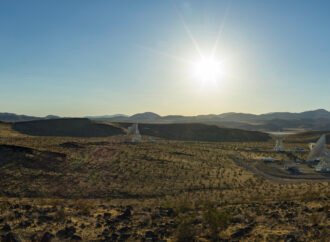
NASA’s Deep Space Network facility in California is marking the addition of a brand new 34-meter-wide (114-foot-wide) radio frequency antenna to the agency’s deep space communications and navigation system. The network uses giant dish antennas located at three global facilities to support more than 40 spacecraft exploring the solar system and interstellar space. The new
READ MORE
NASA’s Ames Research Center in California’s Silicon Valley invites media to learn more about NASA’s Nancy Grace Roman Space Telescope, scheduled to launch Sunday, Aug. 30, 2026, from NASA’s Kennedy Space Center in Florida. The Roman telescope will provide a wide, detailed view of the universe, helping scientists study dark energy, exoplanets, and cosmic structures.
READ MORE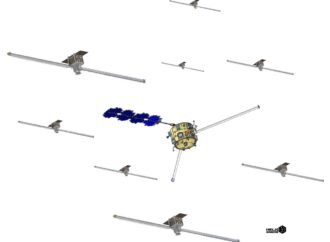
Fully autonomous space mission operations require the ability to detect faults and compensate for them without human intervention. To address this challenge and provide model-based support for system design and operations, it is important to connect fault management (FM) and model-based systems engineering (MBSE). This approach was successfully demonstrated with the model-based generation of a
READ MORE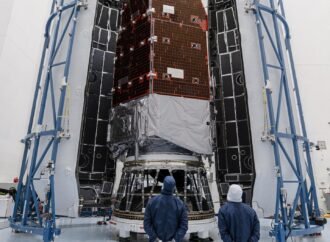
Coverage plans are ready for NASA’s Nancy Grace Roman Space Telescope prelaunch and launch activities. Roman is NASA’s next-generation observatory designed to explore some of the universe’s biggest mysteries, including dark energy. NASA and SpaceX are targeting Roman’s liftoff for no earlier than 7:26 a.m. EDT Sunday, Aug. 30, aboard a SpaceX Falcon Heavy rocket
READ MORE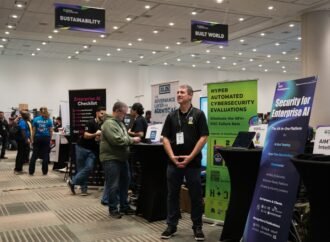
You don’t need a keynote session to make noise at TechCrunch Disrupt 2026. Sometimes the best way to meet investors, customers, and partners is by exhibiting directly on the Expo Hall floor at San Francisco’s Moscone West from October 13-15. That’s exactly what our Exhibit Program offers, and it’s still open to showcase your startup, and get the added bonus of additional tickets for Disrupt
READ MORE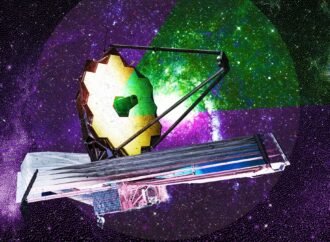
“If we consider what the James Webb Space Telescope is doing, it’s optimized towards looking at the very distant universe … but just a tiny patch of the sky,” says astrophysicist Rachel Mandelbaum of Carnegie Mellon University. “In contrast, Roman is able to look at a large area of the sky at once.” That broad
READ MORE