One of the hottest debates in the energy industry right now is how much oil is actually coming out of the Persian Gulf, and the answer could determine how long the Iran war lasts. Iran insists the Strait of Hormuz is closed and that it has control of the narrow waterway, which saw 20 million
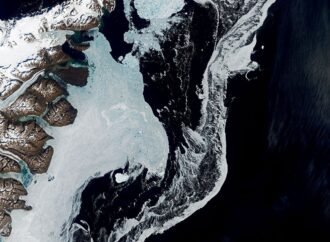
Greenland’s jagged coastline is lined with fjords, many of them cradling marine-terminating glaciers that routinely calve icebergs into the water. It’s common to see these bergs, small and large, drifting in the island’s fjords each summer once the sea ice breaks up. In summer 2026, one exceptionally large berg turned up in the Denmark Strait—more
Concerns are growing that the de-facto tolling of the Strait of Hormuz could trigger a domino effect for key shipping bottlenecks worldwide, creating more global inflation and effectively killing key components of international maritime law. As Iran insists on some form of fee structure for traversing the now-infamous strait—and the U.S. increasingly seems unable to
The U.S. and Iran remain deadlocked over reopening the Strait of Hormuz as each side tries to see how long the other can hold out, and signs of significant oil flows out of the Persian Gulf indicate President Donald Trump is betting he has additional leeway. In the past week, the administration has pushed back
Iran’s hardline demand for a Strait of Hormuz fee system would generate close to $20 billion a year, but such astronomical tolls won’t be accepted by the U.S. or Iran’s Gulf neighbors, geopolitical and energy analysts say. That means the ongoing stalemate will drag on indefinitely or Iran will eventually accept a lesser, but still
Iran issued dramatic new demands around the reopening of the Strait of Hormuz, and the United Arab Emirates said one of its ships was targeted by an Iranian missile. Yemen’s military attacked the country’s Iranian-backed Houthi rebels. And Turkey’s Kurdish peace bill won approval in parliament. Here’s a look at developments across the Middle East on Saturday. Full coverage