VIDEO REVIEW: Tesla Model Y L: The 6-seater variant of the popular electric SUV arrives in Australia
- AI, ai coding assistant, AI regulation, Artificial Intelligence, openai, Reviews, Tech, Technology, Tesla, Vehicles
- March 29, 2026


These look almost identical to the iPhone 17 Pro models, albeit slightly smaller. The iPhone 18 Pro is 6.3 inches and the iPhone 18 Pro Max is 6.9 inches. They come in black, silver, glacier, and burgundy color options. They come with Apple’s new A20 Pro chips, which have been repackaged into a silicone casing
READ MORE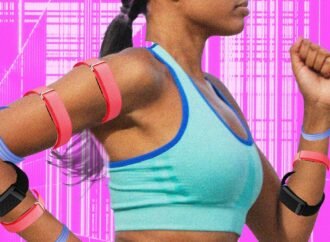
Whoop has made screen-free wearables since its first proper release in 2015, but the shift in what Whoop considers itself to be about mirrors the change we see in the wider market. Today a Whoop band is made for just about anyone with the spare cash to pay for its $199 annual subscription. It’s a
READ MORE
With the revelation that ICE will spend up to $20 million by March on gloves that can deliver painful electric shocks to subdue an individual, according to a notice published earlier this week by the Department of Homeland Security, it’s worth looking at how this apparel, designated as a nonlethal tool for law enforcement, actually
READ MORE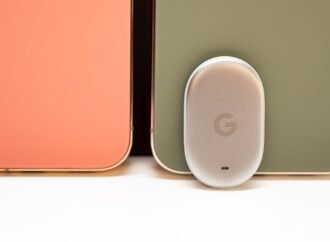
As for the hardware itself, much of Google’s efforts this year seem to revolve around speeding things up and improving performance. Powered by Qualcomm’s Snapdragon W5 Gen 2 Accelerated chip with a Cortex-M55 co-processor, Google says the Pixel Watch 5 offers 20 percent faster processing. The dual-band GPS is also twice as accurate at route
READ MORE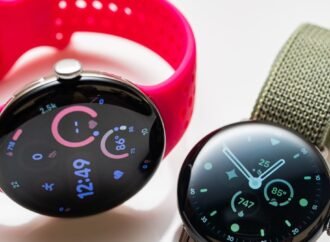
Google’s first smartwatch debuted just four years ago, and at the time, the company went to great lengths to stress the accuracy of the Pixel Watch’s heart rate sensor. Even if Google was late to the wearable party compared to peers like Apple and Samsung, that focus on heart rate seems to be paying off
READ MORE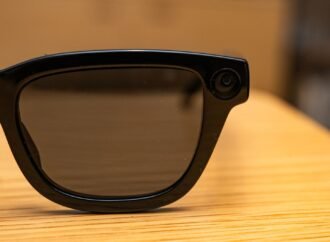
Face computers are on the upswing, as companies, massive and tiny, are all vying for nuggets in the smart-glasses gold rush. That also means the industry is garnering its fair share of criticism, mostly focusing on the fact that creeps can abuse camera-equipped smart glasses to capture photos and videos of people without their knowledge
READ MORE