VIDEO REVIEW: Tesla Model Y L: The 6-seater variant of the popular electric SUV arrives in Australia
- AI, ai coding assistant, AI regulation, Artificial Intelligence, openai, Reviews, Tech, Technology, Tesla, Vehicles
- March 29, 2026

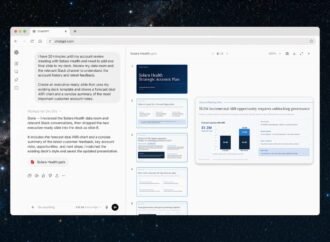
OpenAI is shutting down Atlas, the AI-powered browser it launched in October with ChatGPT at its core. But it’s not about giving up the idea that AI should help people navigate the web. Instead, it’s taking some of the agent navigation features it tested in Atlas and redistributing them between the ChatGPT desktop app and
READ MORE
Earlier this week, Bloomberg reported that Microsoft was replacing some of OpenAI’s software with its own internal models in an effort to reduce costs. Those internal models, known as MAI, were increasingly used to power applications like Word and Excel, the outlet noted. The story raised an increasingly common question about the two companies, which
READ MORE
Fidji Simo, CEO of OpenAI’s AGI Deployment and the company’s second executive, will leave her full-time role following a three-month medical leave, she said in a note in X on Thursday. “Three months ago, I had to take medical leave after a serious exacerbation of a chronic illness I’ve lived with for seven years,” he
READ MORE
Fidji Simo, one of OpenAI’s top executives, will step down from his role. Simo, the company’s chief app officer, wrote in X on Thursday that she decided to leave her full-time position and become a part-time consultant. Simo was on medical leave three months ago. He said Thursday that he would focus on recovery from
READ MORE
OpenAI unveiled its new family of models on Thursday, introducing a new set of heavyweight programs into an increasingly crowded field of AI offerings. GPT-5.6 comes in three variants: Sol (considered your workhorse), Terra (a more middle-of-the-road option), and Luna (your budget option). These models expand what users can do in a variety of fields,
READ MORE
Meta publicly released a new version of Muse Spark on Thursday, a multimodal AI model designed for agent coding that aims to compete with similar products offered by OpenAI and Anthropic. Spark 1.1, the first version of which was announced in April, can engage in multi-step reasoning and handle complex processes, manage digital workflows, and
READ MORE