The “Bond King” has a word of warning for investors: beware of higher interest rates. Jeff Gundlach, the veteran fixed-income investor and CIO of DoubleLine Capital, laid out his latest outlook for markets at an event in Manhattan on Thursday. Treasury yields have spiked to nearly two-decade highs in recent weeks, but rates have the
The “Bond King” has a word of warning for investors: beware of higher interest rates.
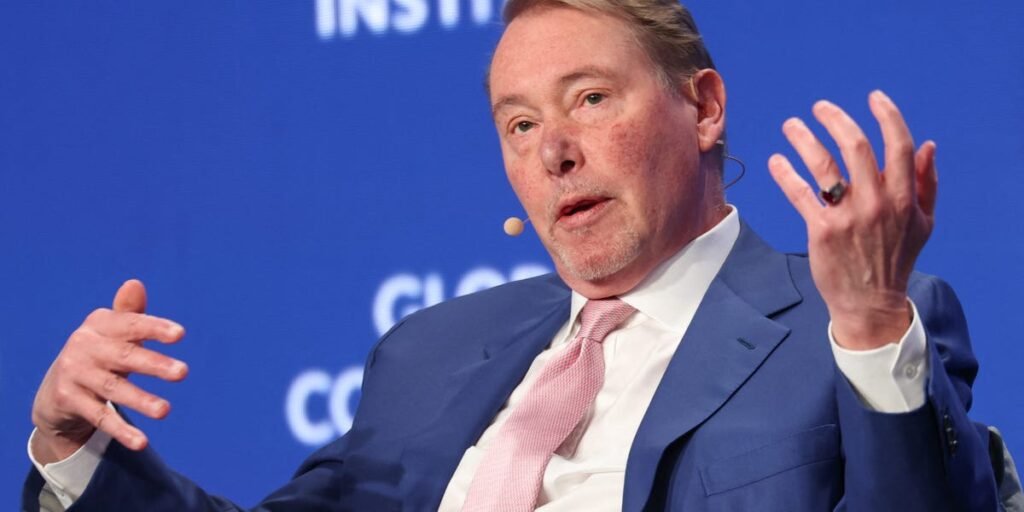
Jeff Gundlach, the veteran fixed-income investor and CIO of DoubleLine Capital, laid out his latest outlook for markets at an event in Manhattan on Thursday. Treasury yields have spiked to nearly two-decade highs in recent weeks, but rates have the potential to go “much, much higher” from here — and they risk triggering a major disruption in markets, Gundlach said.
If rates were to “really start to go up,” that would likely be enough to push the US economy into a recession and potentially trigger a wave of corporate failures, he added.
Gundlach didn’t specify how high or how quickly rates would have to rise, but he outlined one scenario in which long-dated bond yields rise past 6%, leading the US Treasury to step in with an even bigger intervention to quell volatility. The Treasury recently announced $6 billion worth of long-dated bond buybacks.
Ultimately, higher rates will cause “something big” to unfold in markets, Gundlach said, pointing to how higher borrowing costs could interact with vulnerabilities in the AI trade and the private credit sector.
“It looks like we’re on a collision course or something,” Gundlach said. “Defaults are going to start coming in fast and furious.”
Rates have surged amid a sell-off in government bonds around the world. The yield on the 10-year US Treasury recently surpassed the key 5% mark, a psychological level in the bond market that suggests investors are feeling anxious about higher oil prices and the impact on inflation, leading them to price in higher rates.
Investors also weren’t calmed much by the Treasury’s buyback initiative, which saw yields jump on the day it was announced. The concern is that the move doesn’t address the fiscal issues that are the market’s main concern.
Yields will likely keep inching up, Gundlach said, pointing to the upside risks to inflation and oil prices. Markets may have been encouraged by the Fed’s willingness to fight inflation this week, but countries will soon need to replenish oil reserves, which have been drawn on heavily amid the Iran war, he said.
The extra demand could stoke more price growth, particularly if inflation expectations become unanchored and consumers begin hoarding goods as they brace for higher prices, resulting in a self-fulfilling inflation spiral, Gundlach added.
The Fed can hike interest rates to tame inflation, but higher rates increase interest expenses on federal and private debt, adding to stress in financial markets.
Ultimately, high rates could interact with vulnerabilities in other areas of the economy, Gundlach speculated, pointing to concerns that valuations are overstretched for AI firms and recent signs of distress in the private credit sector.
“The path of least resistance for long-term Treasurys is up,” Gundlach said of yields.
Gundlach, who’s best known as one of the investors who called the subprime mortgage crisis, said he was looking to stay away from stocks at this point. Earlier in the year, he warned of the potential for hotter inflation, and recommended investors pile into cash, commodities, gold, and other hard assets in their portfolios.
For more tech updates, stay tuned to our blog.