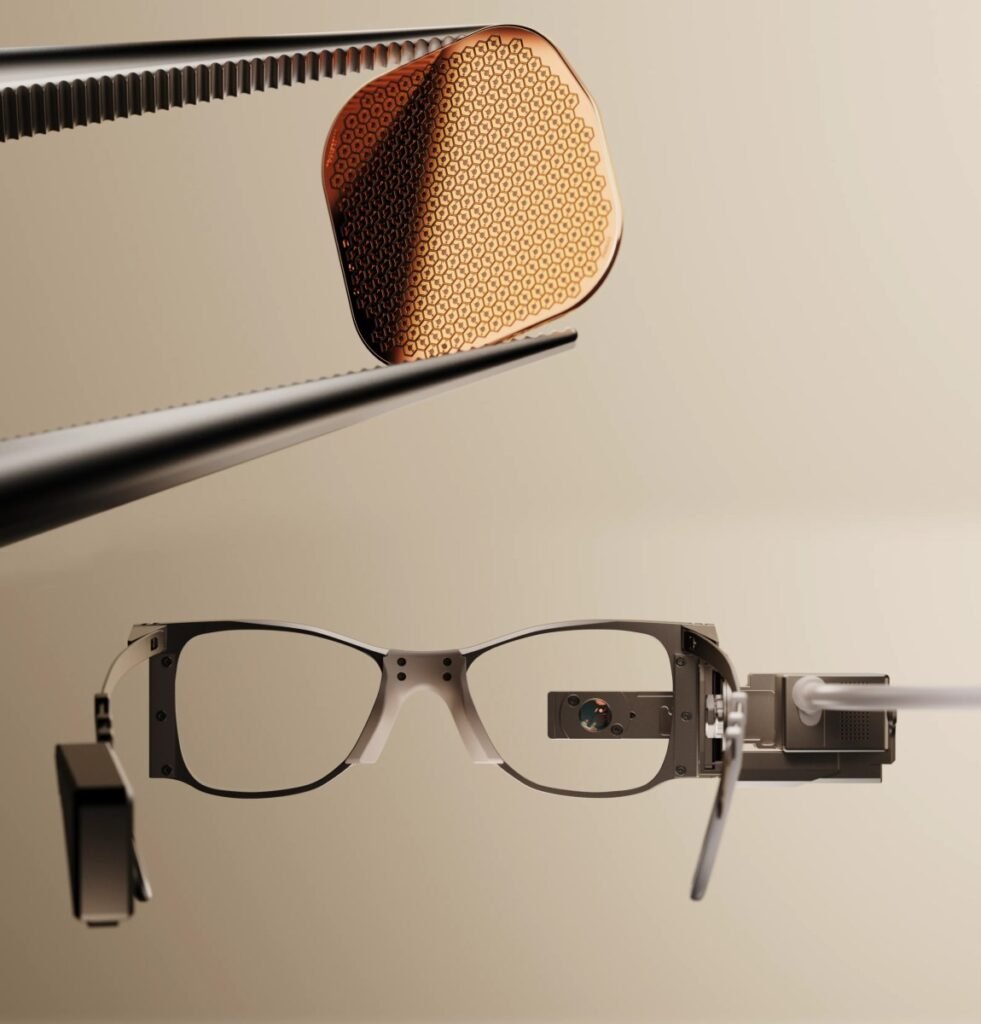
Science Corporation, a startup developing new brain-computer interfaces (BCIs), has won approval from Europe’s medical device regulator to begin selling a device that restores vision lost due to age-related macular degeneration. The company said the device, called PRIMA, also received a designation from the U.S. Food and Drug Administration, which is the first step toward
Science Corporation, a startup developing new brain-computer interfaces (BCIs), has won approval from Europe’s medical device regulator to begin selling a device that restores vision lost due to age-related macular degeneration.
The company said the device, called PRIMA, also received a designation from the U.S. Food and Drug Administration, which is the first step toward expedited regulatory review, which could use the device to treat two rare types of blindness.
Millions of people around the world suffer from age-related macular degeneration, which destroys light-sensitive cells in the back of the eyes, making it difficult to read and recognize faces.
To use the device, patients suffering from this vision loss undergo an hour-long outpatient procedure in which a small chip is placed in the back of the eye. They then wear glasses equipped with cameras that transmit a view of the world to the chip. Max Hodak, founder and CEO of Science Corporation, says the product provides functional vision to people who have lost it.
“One of our patients in France recently finished a 300-page novel and sent us the book,” Hodak told TechCrunch. “We have a sketch on the wall. [that] One of our patients drew the Sydney Opera House. There are videos of patients playing crossword puzzles and completing sudoku.”
Hodak is known as the co-founder and former president of Neuralink, Elon Musk’s new BCI company. He left the company in 2021 to start Science, with plans to develop a novel BCI based on a hybrid of silicon chips and living cells. But first the company had to test its processes and develop a sustainable business.
“What the space needs is a company that makes $100 million a year in revenue,” Hodak said. “There is a risk of everything going into winter, so we think it is important to build a sustainable business as we develop these technologies for the long term.”
Hodak and his colleagues believe that a sustainable business will be restoring vision to the blind, specifically to patients whose conditions stem from problems with the light-sensing cells in the back of the eye. After exploring multiple approaches, they determined that Pixium, a French company that developed PRIMA technology, had the right path forward and acquired the company in 2024. Science used its internal platform to develop documentation and develop the product to prepare it for regulatory approval and commercialization.
Each PRIMA device is expected to cost hundreds of thousands of dollars; Science and its medical partners in Europe are currently in talks with healthcare providers about reimbursement. The company is laying the groundwork to begin offering PRIMA in Germany, where its clinical trials were conducted, and could see the first procedure in September.
Science hopes to continue improving PRIMA’s vision capabilities with a new chip and the form factor of its glasses, which currently require a battery to operate. The goal is to offer something similar to Meta’s AR glasses, but the power and computing requirements for PRIMA are more significant.
Science is also working with Dr. Murat Günel, chair of the Department of Neurosurgery at Yale School of Medicine, to develop procedures for human trials of a directly implanted biohybrid brain sensor.
Hodak says bringing PRIMA to market is “the most important thing for the company, because we can’t do biohybrid things long term if you don’t have a great vision for the business. That’s what really funds the rest: that’s what investors know how to create spreadsheets.”
When you buy through links in our articles, we may earn a small commission. This does not affect our editorial independence.
Keep following us for the latest insights.