A new federal program to test the feasibility of electric, hybrid-electric, and autonomous aircraft kicks off today in Texas — before the rules governing this new technology have even been finalized. For the next week, these companies will conduct test flights demonstrating future routes between cities and regional airports, including Dallas Fort Worth International Airport.
The Trump administration on Tuesday imposed sanctions on additional aspects of Iran’s aviation industry, targeting more than two dozen commercial and private airlines as well as foreign cargo service providers in its new push to isolate Tehran from its remaining trading partners. The latest actions are part of the Trump administration’s Operation Economic Outcast campaign
An Amazon cargo plane barreled off a runway at Miami International Airport on Sunday, striking multiple vehicles and bursting into flames in a crash that sent thick black smoke billowing into the sky and forced the closure of all runways at one of the nation’s busiest airports. The Federal Aviation Administration said the aircraft overran
NASA has selected four university teams to help the agency transform the future of aviation through projects ranging from high-supersonic propulsion systems to low-noise routes for small aircraft flying through cities. The agency made awards through its University Leadership Initiative, which offers student teams the opportunity to contribute to real-world flight research that advances NASA’s goals in aeronautics.
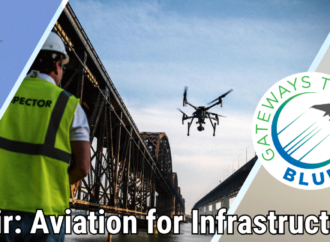
NASA’s next Gateways to Blue Skies competition invites collegiate teams to imagine innovative new ways aircraft could inspect land-based infrastructure, such as bridges and tunnels, to improve safety, reliability, and costs by 2035 or sooner. Infrastructure is the foundation of the nation’s strong economy, global competitiveness, and daily quality of life. When that infrastructure is
Oil producers in the Middle East have been experiencing disruptions to maritime traffic through the Strait of Hormuz. But this could present a strategic opportunity to rethink how energy infrastructure can be deployed in an increasingly uncertain world. The global transition towards low-carbon energy sources is often framed as a challenge for fossil-fuel-producing nations. Yet