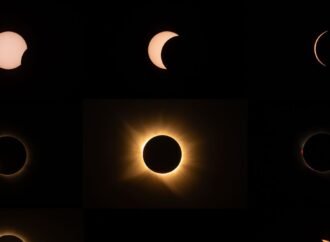
During the Aug. 12 total solar eclipse over Europe, scientists aimed to study a long-standing mystery: why the Sun’s outer atmosphere, the corona, is far hotter than its visible surface. Capturing the data they needed meant being in exactly the right place at exactly the right time. Pilots from NASA’s Johnson Space Center flew the WB-57F high altitude research aircraft from Ellington Field in Houston to Iceland,
On Aug. 12, a total solar eclipse darkened skies over Greenland, Iceland, and Spain. As the Moon covered the Sun, it briefly revealed the Sun’s wispy outer atmosphere — the corona — to those in the path of totality who were lucky enough to have clear skies. NASA researchers and photographers were along the eclipse
The total solar eclipse on August 12 produced some of the most spectacular images of this phenomenon in recent years. But the mini golden age of eclipses in Europe is just beginning. The so-called “Iberian eclipse trio” still has two events to go—and both promise to be even more incredible than the one that just
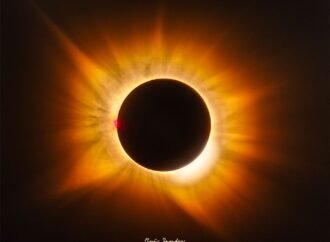
Explanation: This total solar eclipse appeared not only poetically beautiful but scientifically interesting. Usually the solar corona appears white, and to some observers the corona of last week’s total solar eclipse did appear this pearly color. But this time, totality observers in Spain saw a corona that appeared unusually golden. For one reason, from Spain, the totality occurred when
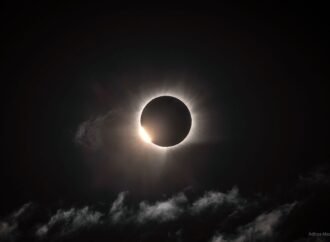
Explanation: On August 12, the Moon’s shadow reached out to touch our fair planet. Beginning in the Arctic Ocean, it swept along a narrow track that led the dark lunar umbra across parts of Greenland, Iceland, the Atlantic, Portugal, and northern Spain. And for a moment, denizens of Earth who found themselves with clear skies
➡️ Did someone forward you this email? If you would like to receive this information directly, every morning before the markets open in New York, sign up here. IT’S HAPPENING! Anthropic targets $2 trillion IPO in October—largest ever public float Anthropic will stage an IPO in October at a predicted valuation of $2 trillion, even