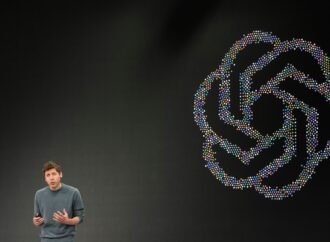
A debate is playing out on social media, and inside the walls of OpenAI, about why the company fired three individuals last week on its safety team. Now, the former employees, as well as OpenAI, have issued additional statements to clarify their sides of the story. Two of the fired researchers—Tomek Korbak and Mikita Balesni—worked
In one alarming announcement after another, artificial intelligence companies in recent months have shared examples of their technology acting in ways that appeared to evade instructions from humans. The episodes have highlighted the vulnerabilities in AI security and raised questions over how the fast-growing technology can be developed safely as its usage becomes more widespread
A legal nonprofit sued OpenAI in a California court on Tuesday over the company’s agents escaping a testing environment and hacking the open source AI platform Hugging Face. “OpenAI’s actions straightforwardly violated California law,” the suit alleges. The suit was filed by Legal Advocates for Safe Science and Technology (LASST) and the law firm Gerstein
Anthropic CEO Dario Amodei says he’s “become convinced” in recent months that AI needs to slow down. And rogue OpenAI agents are part of the reason. Amodei cited the July Hugging Face breach, in which OpenAI agents broke out of their testing environment to hack into the AI platform and then hide their tracks, as one
Hugging Face CEO Clement Delangue questioned the focus on a former Anthropic researcher who said AI workers privately fear the technology could kill all humans. “Sorry, but asking Jacob about AI extinction risk is like asking your AC guy about climate change,” Delangue wrote on X on Friday. Delangue said that Jacob Coxon, the former
Nvidia has agreed to buy Hugging Face for $12.9 billion, The Information reported Wednesday night, citing a source familiar with the matter. Business Insider, which first reported over the weekend that Hugging Face was fielding takeover interest, reported Wednesday night that the talks — which would value the company at more than $13 billion —